Residential smoke detector installation
Detector placement for Ottawa homes, including historic downtown rooms, basements, additions, and rural properties with separate living areas.
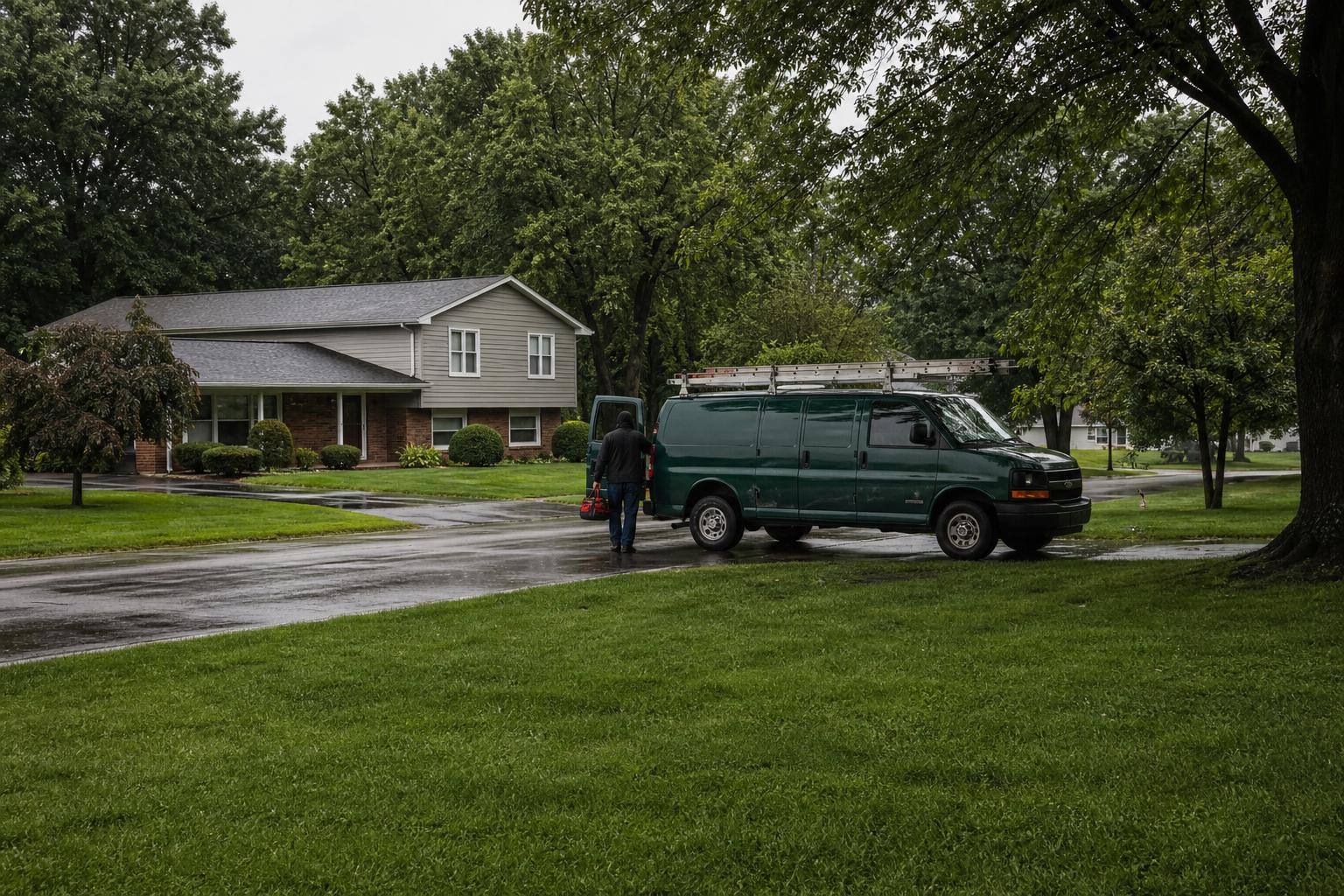
Smoke Detector Installation · Ottawa, KS
Historic downtown homes in Ottawa often have older wiring and altered room layouts, while rural houses spread the work across more space. One call gets the smoke detector installation sorted.
A real person answers · No forms · No waiting on a quote email
Plan
The right visit depends on an older downtown house, a rural Ottawa home, a business space, or active construction, with detector placement reviewed on the call.
Quote
The quote is given on the call and changes with detector type, parts, access, travel distance, and time on site.
Time
The visit time is set on the call around occupancy, construction access, and the condition of the work area.
In Ottawa’s historic downtown, work may follow older ceilings and remodeled rooms. Around Forest Park and the east side, homes often have different floor plans. Rural Franklin County properties can add long drives, detached buildings, basements, and utility areas to the smoke detector installation.
Services
Ottawa
Ottawa’s older downtown housing can have enclosed additions, remodeled rooms, and ceiling surfaces that need a careful look before detectors are placed. Homes outside the core may include basements, detached garages, or longer walks from parking. Commercial spaces and construction sites bring different access and occupancy concerns, so the installation is scoped around the building rather than treated as a standard room visit.
Detector placement for Ottawa homes, including historic downtown rooms, basements, additions, and rural properties with separate living areas.
Work for Ottawa offices, shops, and occupied buildings, with access planned around rooms, tenants, staff, and business operations.
Installation for Ottawa building projects where changing walls, ceilings, wiring, and unfinished access affect the work area.
A local Ottawa visit covers nearby homes and businesses, including properties near downtown, Forest Park, and the Franklin County edge.
Cost
The quote is given on the call and depends on the type and size of the building, detector parts and materials, access to each work area, time on site, travel distance, and any after-hours scheduling.
A compact downtown house may need a different scope from a rural Ottawa home with additions, multiple floors, a basement, or detached spaces.
Detector type, mounting materials, wiring needs, and the condition of existing equipment affect the parts selected for the smoke detector installation.
Travel from Ottawa to a rural Franklin County property, long walks from parking, locked rooms, and difficult ceiling access can change time on site.
Occupied rooms, active construction, high ceilings, restricted areas, and after-hours work can require more preparation and labor during the visit.
To avoid surprise charges, describe every building, floor, detached area, access issue, and existing detector condition when booking. The exact quote is given on the call before the visit is set.
What goes in
Have the property address, building type, floor count, existing detector information, and any known remodeling ready. A typical Ottawa load may include a historic house with a basement and enclosed addition.
Provide entry to bedrooms, hallways, basements, utility rooms, and other planned work areas. Rural Ottawa properties may also require access through a yard or detached building.
Keep the work areas clear while the installation is finished and checked. In Ottawa homes, completion may include confirming detectors in remodeled rooms and older downtown floor plans.
Not accepted. The service does not cover unrelated electrical work, structural repairs, concealed damage, blocked access, or materials and equipment outside the agreed smoke detector installation.
Projects
Ottawa homes in historic downtown and rural Franklin County may need placement reviewed around additions, basements, bedrooms, and altered floor plans.
Commercial smoke detector installation in Ottawa accounts for occupied rooms, tenant access, business hours, and ceiling conditions in downtown buildings.
Maintenance work for Ottawa properties can address aging, missing, damaged, or poorly placed detectors while reviewing the existing installation.
Specialist work in Ottawa may suit unusual layouts, construction changes, detached rural buildings, or access conditions that need a closer scope review.
Explain the Ottawa property, building use, existing detectors, floors, additions, and any construction or access concerns.
The scope is reviewed around detector locations, parts, materials, work areas, travel, and the conditions found at the property.
Set the visit time around occupancy, tenant needs, construction progress, weather, and access to the Ottawa property.
The completed installation is checked with you, including the agreed work areas and any remaining access or property concerns.
Weather
Ottawa’s freezing winters can affect exterior access and unheated areas, while thunderstorms and strong winds can make rural yards, ladders, and travel less suitable. Humid weather and wet spells can leave clay soils muddy, so outdoor approaches and detached buildings should be discussed when scheduling.
Placement
Work may happen in bedrooms, hallways, basements, crawl spaces, utility rooms, additions, or finished rooms. Ottawa homes with slabs, tight crawl spaces, remodeled ceilings, rural yards, and detached buildings can limit access. Stored items, locked rooms, parked vehicles, mud, and active construction may also restrict the route to each location.
Permits
Smoke detector installation inside a private property may have different permit or inspection requirements when it is part of construction, remodeling, or a commercial change. The City of Ottawa or Franklin County may direct those questions. The scope discussion covers who should arrange any required approval or inspection.
Some Franklin County landlords, covenants, or neighborhood associations may set rules for access, building changes, or approved equipment. Have those instructions available so the smoke detector installation is planned around the property’s written requirements.
Clear a path to the rooms, ceilings, crawl spaces, basements, utility areas, and shutoffs involved in the work. Provide parking for the work vehicle, secure pets and people elsewhere, and mention icy drives, wet clay, gates, or muddy yards before the visit.
Service covers Ottawa’s historic downtown, Forest Park, the east and west sides, neighborhoods around the central business area, and rural edges of Franklin County. Nearby properties toward Lawrence, Kansas City, Republic, and Wellington can be discussed when the address, access, and work area are provided.
Not sure about your street? Ask on the call and we will tell you which office handles it.
Timing
Smoke detector installation in Ottawa often comes up during home purchases, remodeling, rental turnover, and seasonal property maintenance. Winter cold can complicate access to rural buildings, while spring rain and wet clay affect yards and drives. Thunderstorm season can also change outdoor access, so the work area and route should be discussed when setting the visit.
Freezing conditions make interior access preferable for many Ottawa properties, especially homes with basements or detached spaces reached by icy walks. Describe unheated areas and driveway conditions before the visit.
Spring storms and wet clay can make rural Ottawa yards and drives muddy. Remodeling season may also expose new rooms or altered ceilings, so update the scope if the building changes before installation.
Service area
Ottawa is part of our Franklin County coverage, and we also serve the neighboring communities below.
Why us
Ottawa’s historic downtown homes often combine older construction with later additions, so detector placement should follow the current rooms rather than assume the original layout. Rural Franklin County homes may add basements, detached buildings, gravel access, and longer routes between the vehicle and work area.
Antech Electrical Contractor · Ottawa
Local conditions affect the visit in practical ways. Freezing winters, strong thunderstorms, and muddy clay soils can change access to outbuildings and exterior approaches, while occupied downtown properties may require careful movement through narrow rooms and remodeled spaces.
Click Here to Call (844) 442-2039FAQs
Still have a question about Ottawa? Call (844) 442-2039 and ask a real person.
The cost depends on building size, detector type, parts and materials, access, travel distance, time on site, and after-hours work. The exact quote is given on the call. Describe every floor, addition, basement, detached building, and existing detector so the scope matches the Ottawa property.
The right visit depends on whether the property is residential, commercial, under construction, due for maintenance, or has an unusual layout. A historic downtown home and a rural Franklin County house may need different access and placement planning, so explain the building use and current condition on the call.
The visit time is set on the call after the property, scope, access, and scheduling needs are reviewed. Ask about available timing, including same-day or next-day options if they matter, and mention construction deadlines or tenant access requirements.
It covers the agreed smoke detector installation work in the identified rooms, areas, or buildings. The scope may include residential, commercial, construction, maintenance, or specialist work. List bedrooms, hallways, basements, additions, utility rooms, and detached structures so each needed area can be reviewed.
It does not automatically cover unrelated electrical work, structural repairs, concealed damage, blocked access, or equipment and materials outside the agreed scope. Existing wiring concerns, remodeled ceilings, and damaged surfaces should be described before the Ottawa visit.
Permit or inspection requirements depend on the property, construction or remodeling work, and local authority. The City of Ottawa or Franklin County can direct those questions, and the scope discussion covers who should arrange any required approval or inspection.
Provide access to all planned rooms, ceilings, basements, crawl spaces, utility areas, and detached buildings, and clear stored items from the work route. Secure pets and people, arrange parking, and mention locked rooms, gates, muddy drives, or icy walks.
Have the Ottawa property address, building use, floor count, detector locations, existing equipment details, remodeling information, and access restrictions ready. Also mention rural drive conditions, detached buildings, tenant schedules, and any preferred visit timing.
Yes, freezing winters, thunderstorms, strong winds, and wet clay can affect travel, ladders, yards, and access to detached buildings. Interior work may remain practical, but rural drives, muddy approaches, and unheated spaces should be discussed when the visit is scheduled.
Yes, the work can be scoped for historic downtown homes by reviewing the current floor plan, remodeled rooms, ceiling access, basements, and existing wiring or mounting conditions. Describe additions and altered rooms so placement is based on the home as it stands now.
A real person answers · No forms · Every quote given on the phone