Residential smoke detector installation
Homes near downtown Waxahachie may need careful review of existing wiring, ceiling access, bedrooms, halls, and additions built at different times.
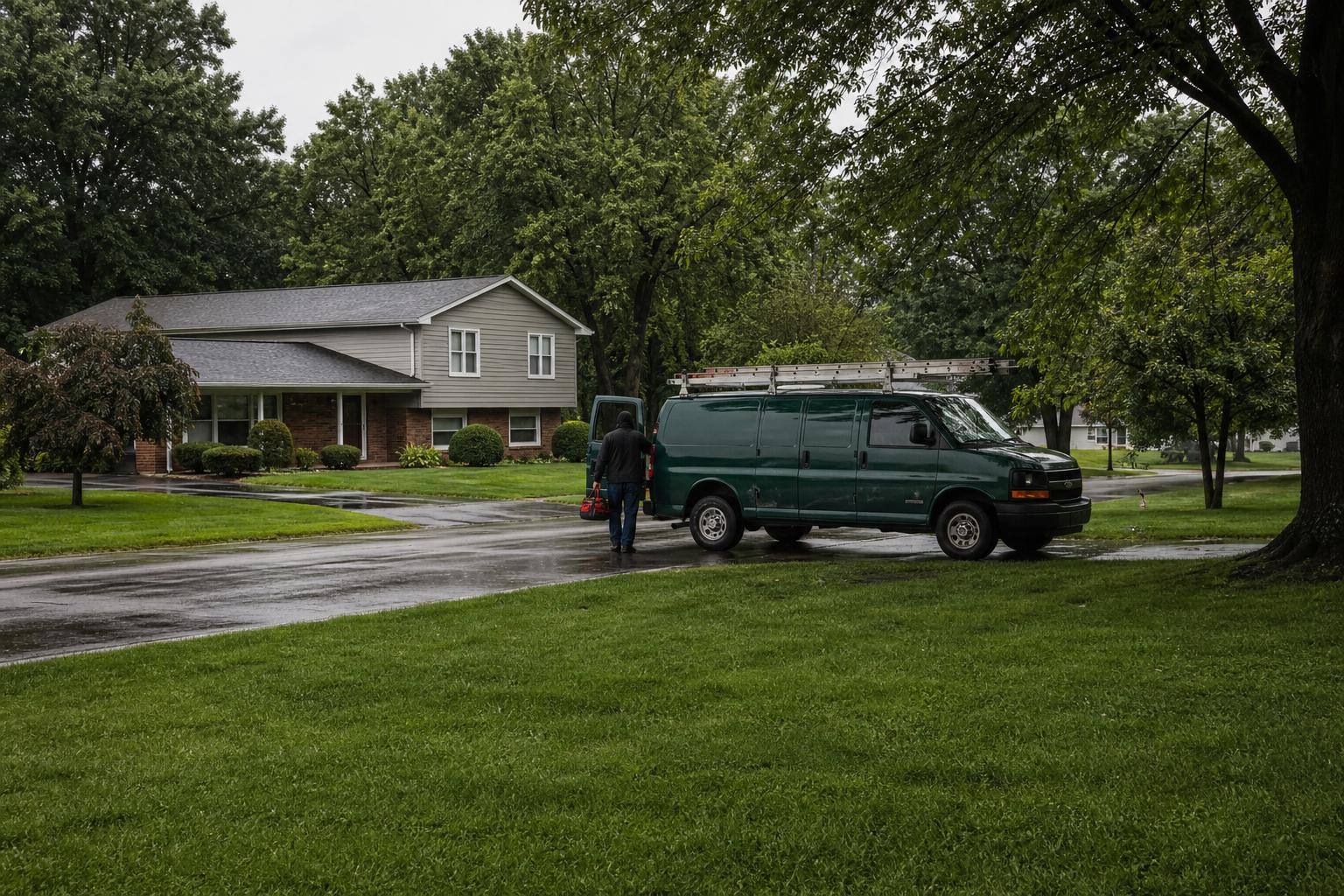
Smoke Detector Installation · Waxahachie, TX
In downtown Waxahachie’s older county seat homes, detector placement often differs from new construction near North Grove. One call gets the installation scope sorted before anyone brings equipment inside.
A real person answers · No forms · No waiting on a quote email
Plan
The right visit depends on an older Waxahachie home, a new subdivision build, or a commercial property needing several connected detector locations reviewed.
Quote
The quote is given on the call and changes with detector type, parts, access, wiring needs, and time on site.
Time
The visit time is set on the call around occupancy, construction access, and the condition of the work area.
Waxahachie smoke detector installation covers older homes near downtown, newer houses around North Grove, commercial spaces along U.S. 287, and construction sites spreading across Ellis County. Each setting changes the access check, detector placement, ceiling work, and whether existing wiring or finished surfaces need careful handling.
Services
Waxahachie
Waxahachie has older wood-frame and masonry homes around the county seat, along with broad new development where builders need consistent detector locations before finishes close up. Commercial buildings near U.S. 287 bring different access and occupancy concerns. Hot, humid weather and severe storms can also affect exterior access, even though most detector work happens indoors.
Homes near downtown Waxahachie may need careful review of existing wiring, ceiling access, bedrooms, halls, and additions built at different times.
Commercial work along U.S. 287 or Main Street requires a scope that accounts for occupied rooms, ceiling systems, access control, and existing equipment.
New construction near North Grove needs detector locations coordinated with framing, electrical work, insulation, drywall, and the builder’s current access.
Local Waxahachie service covers homes, shops, additions, and rural-edge properties where distance, parking, ceiling height, and existing materials affect the visit.
Cost
The quote is given on the call after the work is described. Cost depends on the property type, detector locations, parts and materials, existing wiring, access, distance around Waxahachie, and time on site.
A downtown house, North Grove build, shop, or construction site can require a different number of work areas, detector types, access checks, and installation steps.
Prices change with detector type, compatible components, mounting hardware, wiring materials, replacement parts, and whether existing equipment can remain in service.
A rural-edge Ellis County property, locked commercial area, high ceiling, tight attic opening, or occupied building can add setup and travel considerations.
Old wiring, finished ceilings, damaged boxes, missing power, prior alterations, or difficult routes may require more time than a straightforward accessible installation.
To avoid surprise charges, describe the property, detector locations, existing wiring, ceiling access, and any known damage during the call. The exact quote is given before the work is scheduled.
What goes in
Have the property address, preferred detector locations, construction stage, and known electrical concerns ready. A typical Waxahachie load may include ladders, detectors, mounting hardware, and wiring supplies.
Clear paths to bedrooms, halls, utility areas, attic openings, and ceiling spaces. For a commercial Waxahachie property, arrange keys, escorts, alarm access, and occupancy information before the visit.
Keep the work areas open while installation is checked and tested. The installer reviews detector operation, visible connections, and any remaining access issue before leaving the Waxahachie property.
Not accepted. The service does not cover unrelated electrical remodeling, concealed damage beyond the agreed work, hazardous materials, blocked areas, or disposal of unrelated construction debris.
Projects
Installation in Waxahachie homes may involve older ceiling boxes, additions, attic routes, bedroom corridors, and careful work around finished walls.
Commercial Smoke Detector Installation in Waxahachie considers occupancy, ceiling access, locked rooms, existing alarm equipment, and the operating needs of the building.
Maintenance work around downtown Waxahachie and Ellis County checks aging detectors, nuisance alarms, loose mounts, failed tests, and changes made during remodeling.
Specialist work suits unusual layouts, high ceilings, difficult wiring routes, construction transitions, or properties near Waxahachie where ordinary placement is not enough.
Explain the property type, detector locations, symptoms, construction stage, existing wiring, and access limits so the job can be scoped accurately.
Review the proposed detector work, parts, materials, access requirements, and any conditions that could change the installation.
Set the visit time around household occupancy, commercial operations, builder access, weather exposure, and the areas that must be opened.
The work is checked at the property, detector operation is reviewed, and any unfinished condition or separate repair need is identified.
Weather
Waxahachie’s hot, humid summers can make attic access uncomfortable and may affect work near open doors or exterior routes. Hail and severe thunderstorms can interrupt access to construction areas, yards, and parked vehicles. Indoor detector installation is usually less exposed, but the visit still needs a safe path around weather-related debris or water.
Placement
Most work happens at ceilings, bedroom corridors, stair areas, utility rooms, and accessible attic routes. Waxahachie properties may have slab construction, limited crawl space, additions, or finished ceilings that restrict wiring access. Rural-edge lots, locked rooms, stored materials, and narrow driveways can also limit parking and movement around the work area.
Permits
Smoke detector installation may need local review when it is part of new construction, a remodel, a commercial alarm system, or work that changes regulated building systems. The City of Waxahachie can explain local permit or inspection requirements. The call covers the property details and who is responsible for arranging any required approval.
HOA rules, subdivision covenants, or landlord policies may control construction access, exterior equipment, work hours, or changes visible from common areas in Ellis County. Have the applicable property rules ready so the scope does not conflict with them.
Provide a clear path to detector locations, attic openings, utility areas, electrical panels, and relevant shutoffs. Parking for the work vehicle should be available near the entrance. Keep people and pets clear, and remove storm debris or wet materials when seasonal weather has affected the property.
Coverage includes downtown Waxahachie, North Grove, homes near Lake Waxahachie, properties along U.S. 287 and U.S. 77, newer development on the town’s expanding edges, and rural properties across Ellis County. Nearby service areas include Red Oak, Venus, Scurry, Addison, and Prosper.
Not sure about your street? Ask on the call and we will tell you which office handles it.
Timing
Smoke detector installation in Waxahachie often gets planned during remodeling, home sales, tenant turnover, and new construction rather than one fixed season. Spring storms can complicate construction access, while summer heat makes attic work more demanding. Fall and winter projects may fit indoor schedules, but occupied homes and commercial spaces still need clear work areas.
Severe thunderstorms, hail, wet ground, and debris can affect parking and paths around Waxahachie construction sites. Keep exterior routes clear and mention any roof, ceiling, or water damage before the visit.
Hot, humid Waxahachie summers can make attic routes and upper ceilings harder to access. Describe attic conditions, insulation, ceiling height, and available entry points so the work can be planned safely.
Service area
Waxahachie is part of our Ellis County coverage, and we also serve the neighboring communities below.
Why us
Waxahachie’s older county seat homes can have additions, altered wiring, and finished ceilings that hide the easiest detector route. The installation scope needs to account for how the house was changed, not just where a new detector would look tidy.
Antech Electrical Contractor · Waxahachie
New development around Waxahachie brings open construction areas, while established commercial corridors bring occupied rooms and controlled access. Reviewing the setting before scheduling helps separate a straightforward installation from work needing more careful coordination.
Click Here to Call (844) 442-2039FAQs
Still have a question about Waxahachie? Call (844) 442-2039 and ask a real person.
The cost depends on detector type, number and location of devices, parts and materials, existing wiring, access, distance, and time on site. The exact quote is given on the call. Older downtown homes and finished ceilings may require a different scope than open new construction near North Grove.
Residential installation fits a house or addition, commercial installation fits an occupied business, construction installation fits an unfinished build, and maintenance or specialist work fits existing system issues. Describe the property, detector locations, wiring, ceiling access, and current symptoms on the call.
The visit time is set on the call after the work area, occupancy, parts, and access are reviewed. Same-day or next-day availability can be discussed, but no arrival time is promised before the job is scheduled. Severe storms may also affect access around Ellis County.
The work covers the agreed detector installation, placement review, accessible connections, mounting, and operation checks. The exact scope depends on the property. In Waxahachie homes, additions, attic routes, finished ceilings, and existing wiring should be described before the visit.
It does not automatically cover unrelated electrical remodeling, concealed damage beyond the agreed work, hazardous materials, blocked areas, or unrelated debris removal. Explain any alarm, wiring, ceiling, or access problem on the call so separate work is not mistaken for installation.
It may need local review when included with new construction, remodeling, commercial alarm work, or a regulated building change. The City of Waxahachie can explain local requirements. The call covers the property details and who arranges any required permit or inspection.
Clear hallways, bedrooms, ceiling areas, attic openings, utility rooms, and routes to the electrical panel. Move stored items, secure pets, unlock needed rooms, and provide parking. Mention slab construction, limited crawl space, high ceilings, or finished surfaces before the visit.
Have the Waxahachie address, property type, detector count or locations, construction stage, existing wiring details, symptoms, access limits, and preferred scheduling information ready. Prior inspection notes or alarm paperwork can also help establish what equipment is already present.
Waxahachie weather can affect access even though most detector work is indoors. Summer heat and humidity make attic routes harder, while hail and severe thunderstorms can leave wet ground, debris, or unsafe exterior paths. Mention storm damage or difficult parking when setting the visit.
Yes, older Waxahachie homes can be reviewed for detector placement, accessible wiring, ceiling boxes, additions, and attic routes. Finished walls, altered circuits, and limited access may change the scope. Describe the home’s age, remodeling history, and known electrical issues on the call.
A real person answers · No forms · Every quote given on the phone