Residential smoke detector installation
Homes in Grant Park, Kirkwood, and Buckhead may need different access plans for finished ceilings, crawl spaces, attic routes, and existing wiring.
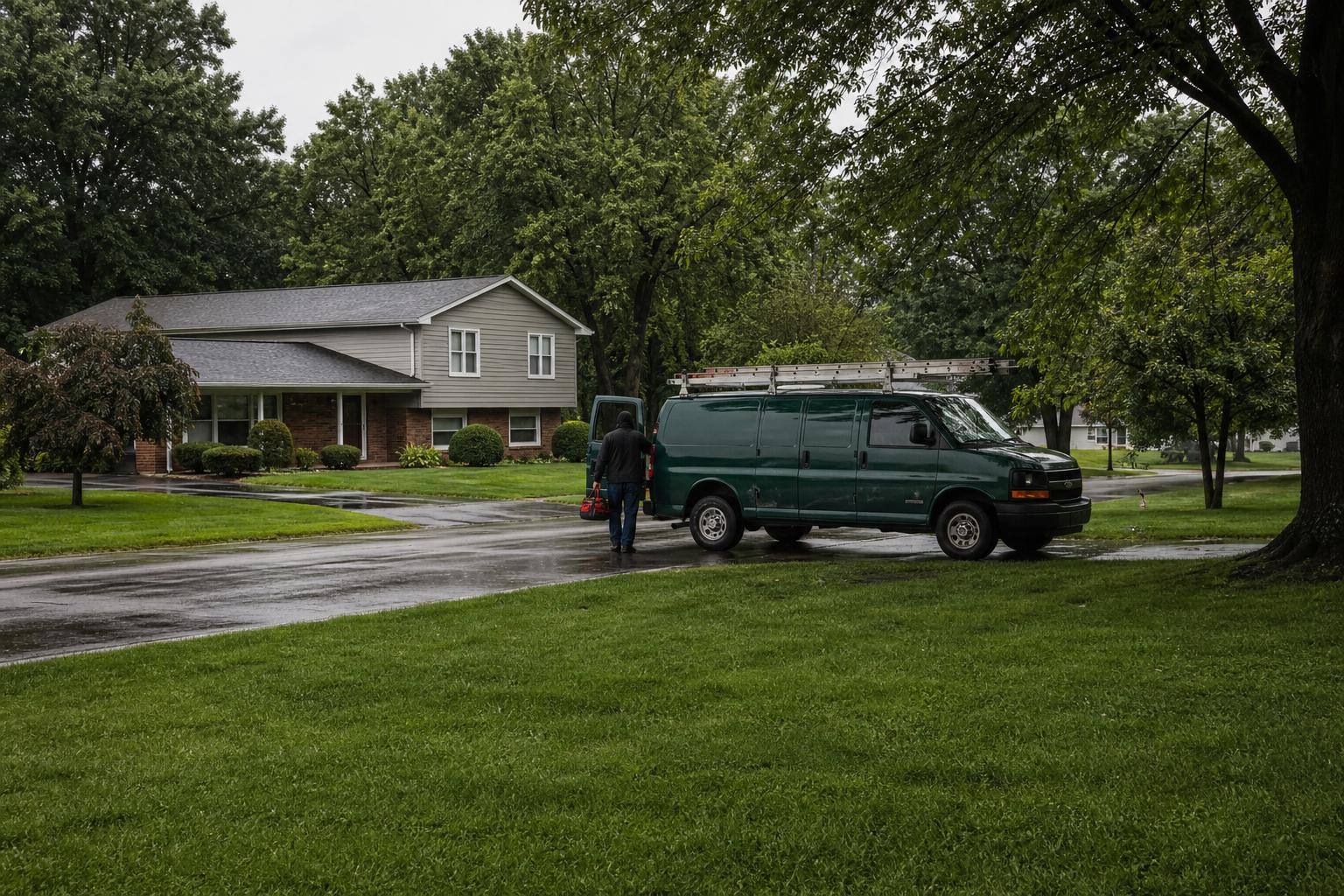
Smoke Detector Installation · Atlanta, GA
In Old Fourth Ward row houses, a smoke detector installation has to account for narrow lots, tight parking, and older wiring. One call gets the work sorted.
A real person answers · No forms · No waiting on a quote email
Plan
A residential visit usually fits Atlanta bungalows, townhomes, apartments, and newer builds, while larger Fulton County properties may need a broader installation plan.
Quote
The quote is given on the call, based on detector count, wiring access, parts and materials, and time on site.
Time
The visit time is set on the call around building access, parking limits, and the property’s occupancy.
From Buckhead homes to Grant Park bungalows, Midtown apartments, and West End renovations, Atlanta properties vary sharply in age and access. Smoke detector installation may involve finished ceilings, shared corridors, crawl spaces, or active construction areas, so the work plan is shaped around the building rather than a generic layout.
Services
Atlanta
Atlanta housing ranges from older Inman Park cottages and West End bungalows to high-rise units, townhomes, and new construction near Midtown. Narrow driveways, limited street parking, finished ceilings, crawl spaces, and shared building areas affect how the installation is reached and completed. Commercial work adds tenant schedules, corridor access, and occupied spaces to the plan.
Homes in Grant Park, Kirkwood, and Buckhead may need different access plans for finished ceilings, crawl spaces, attic routes, and existing wiring.
Atlanta offices, retail spaces, and multifamily buildings require attention to occupied areas, shared corridors, ceiling access, and building coordination.
New work around Midtown and West Midtown can be planned around open framing, changing electrical runs, and the construction sequence.
Local service covers Atlanta properties where narrow lots, limited parking, clay soil outside, and dense surrounding buildings affect the visit.
Cost
The exact quote is given on the call after the work is described. Cost depends on the type and size of the property, detector locations, parts and materials, access, time on site, distance from Atlanta, and any after-hours work.
A compact Atlanta bungalow, a multi-level townhome, and a large commercial floor plan require different detector counts, routing decisions, and work time.
Parts and materials change with the existing electrical setup, detector type, mounting surfaces, replacement needs, and whether new wiring is reachable.
Dense Atlanta streets, narrow lots, locked common areas, finished ceilings, and limited parking can add setup time or require a different work approach.
Distance from the Atlanta service area, building coordination, after-hours access, and time on site all influence the final service cost.
To avoid surprise charges, describe the property, detector locations, access limits, existing wiring, and requested schedule during the call. The exact quote is given after those details are reviewed.
What goes in
Have the property address, building type, known detector locations, ceiling or attic access details, and any existing electrical concerns ready. Atlanta remodels often involve concealed wiring and finished surfaces.
Clear paths to rooms, hallways, utility areas, and panels before the visit. A typical Atlanta load includes narrow driveways, street parking limits, locked entries, and occupied shared spaces.
Keep the work area open while installation is completed, then review detector locations and operation with the technician. In Fulton County rentals, coordinate access with the owner or manager.
Not accepted. This service does not cover unrelated electrical repairs, concealed damage, hazardous materials, blocked work areas, or items outside the agreed smoke detector installation scope.
Projects
Installation for Atlanta houses, apartments, and townhomes, including older bungalows in Grant Park and renovated properties in Inman Park.
Work for Fulton County offices, retail spaces, multifamily buildings, and other occupied properties where access and building coordination matter.
Replacement or planned installation work for Atlanta properties with aging detectors, remodeling changes, inaccessible locations, or uncertain coverage.
More involved Atlanta projects can address unusual layouts, difficult ceiling access, construction conditions, or detector placement questions requiring careful site review.
Explain the Atlanta property type, detector locations, existing wiring, access conditions, and whether the building is occupied or under construction.
The scope is reviewed around the requested work, site access, parts and materials, parking, and any building coordination needed.
Set the visit time by phone after the property details, access arrangements, and scheduling needs have been discussed.
After the installation, review the completed detector locations and any practical operating information with the technician.
Weather
Atlanta’s humid summers can make unconditioned attics and crawl spaces uncomfortable, while intense thunderstorms can affect access and outdoor movement. Occasional tornado conditions may require the visit to be rescheduled for safety. Clay soils mainly affect exterior footing and yard conditions when access routes or utility areas are part of the work.
Placement
The work may occur in bedrooms, hallways, stairwells, basements, crawl spaces, attics, utility rooms, or shared corridors. Atlanta homes with slabs may offer no crawl-space route, while finished ceilings, narrow side yards, locked areas, and limited parking can restrict access.
Permits
A smoke detector installation may involve a permit or inspection when required by the City of Atlanta or another local government authority, depending on the building and scope. The call can cover which authority applies and who is responsible for arranging any required permit or inspection.
Fulton County HOAs, covenants, condominium rules, and landlords may control exterior equipment, access hours, common areas, or alterations. Review those rules and arrange owner or manager approval before the installation is scheduled.
Provide clear access to the rooms, ceilings, attic or crawl-space openings, utility areas, and electrical shutoffs involved in the work. Keep people and pets clear, identify parking limits, and mention storm conditions, wet ground, or muddy clay around the property.
Service covers Atlanta neighborhoods and corridors including Buckhead, Midtown, Downtown, Old Fourth Ward, Grant Park, Inman Park, Kirkwood, West End, and West Midtown. Nearby service areas linked from this page include Lilburn, Powder Springs, Conyers, Kennesaw, and Grayson.
Not sure about your street? Ask on the call and we will tell you which office handles it.
Timing
Smoke detector installation demand in Atlanta often rises during remodeling, property turnover, inspections, and preparation for cooler months when homes are closed up. Summer humidity and thunderstorms can complicate access, while winter work may be easier indoors but still depends on occupied buildings, parking, and available attic or crawl-space routes.
Hot, humid conditions can make attic and crawl-space work harder, while thunderstorms may interrupt exterior movement or access. Mention shaded routes, wet ground, and any weather-sensitive property conditions when setting the visit.
Winter installation is usually centered indoors, but occupied Atlanta buildings still require access planning for bedrooms, corridors, utility rooms, and shared entries. Confirm heating, parking, and property management arrangements before the visit.
Service area
Atlanta is part of our Fulton County coverage, and we also serve the neighboring communities below.
Why us
Atlanta’s dense neighborhoods put real limits on staging and parking. A detector installation plan has to account for narrow lots, apartment corridors, finished ceilings, shared entries, and older homes that may not offer an easy wiring route.
Antech Electrical Contractor · Atlanta
Fulton County properties span historic houses, high-rise units, rentals, retail spaces, and active construction. Describing the building accurately helps match the visit to its access, occupancy, ceiling surfaces, and existing electrical conditions.
Click Here to Call (844) 442-2039FAQs
Still have a question about Atlanta? Call (844) 442-2039 and ask a real person.
The cost depends on property size, detector locations, existing wiring, parts and materials, access, time on site, distance, and scheduling needs. The exact quote is given on the call. In dense Atlanta neighborhoods, parking and shared-building access can also affect the work plan.
The right visit depends on whether the property is residential, commercial, under construction, or due for maintenance or specialist work. Describe the building type, age, layout, and current detector concerns. Older Atlanta bungalows and newer multifamily buildings often require different access planning.
The visit time is set on the call after the property and access details are reviewed. Ask about the schedule you need, including same-day or next-day availability, without assuming a timing promise. Parking, occupancy, and weather conditions may affect the appointment.
It covers the agreed smoke detector installation work at the property, including planned detector locations and the access needed to complete that scope. Explain existing detectors, wiring concerns, ceiling types, and shared areas so the work can be described accurately before scheduling.
It does not cover unrelated electrical repairs, concealed damage, hazardous materials, blocked access, or work outside the agreed installation scope. Atlanta renovation sites should identify unfinished walls, restricted rooms, and other trades before the visit.
A permit or inspection may be required by the City of Atlanta or another local authority depending on the property and scope. The call can clarify which authority applies and who arranges it. Commercial, multifamily, and construction projects may have additional building coordination.
Clear rooms, hallways, stairwells, attic or crawl-space openings, and utility areas that may be involved. Secure pets and arrange access to locked spaces. Mention narrow driveways, limited street parking, building managers, and any finished ceilings before the visit.
Indoor work may still depend on safe access during intense thunderstorms, while outdoor movement, parking, and wet ground can create complications. Occasional tornado conditions may require a schedule change for safety. Mention current weather and any exposed route to the work area.
Have the property address, building type, number of floors, known detector locations, existing wiring details, access instructions, parking limits, and preferred scheduling information ready. For rentals or commercial sites, include the owner, manager, or construction contact responsible for entry.
Smoke detector installation can be planned for apartments and high-rise units after the building access and scope are reviewed. Shared corridors, management approval, elevator access, occupied rooms, and building systems may affect the visit, so provide those details on the call.
A real person answers · No forms · Every quote given on the phone