Residential smoke detector installation
For Chinquapin homes, farmhouses, rental houses, and additions, the installation checks rooms, existing wiring, ceiling access, and detector placement.
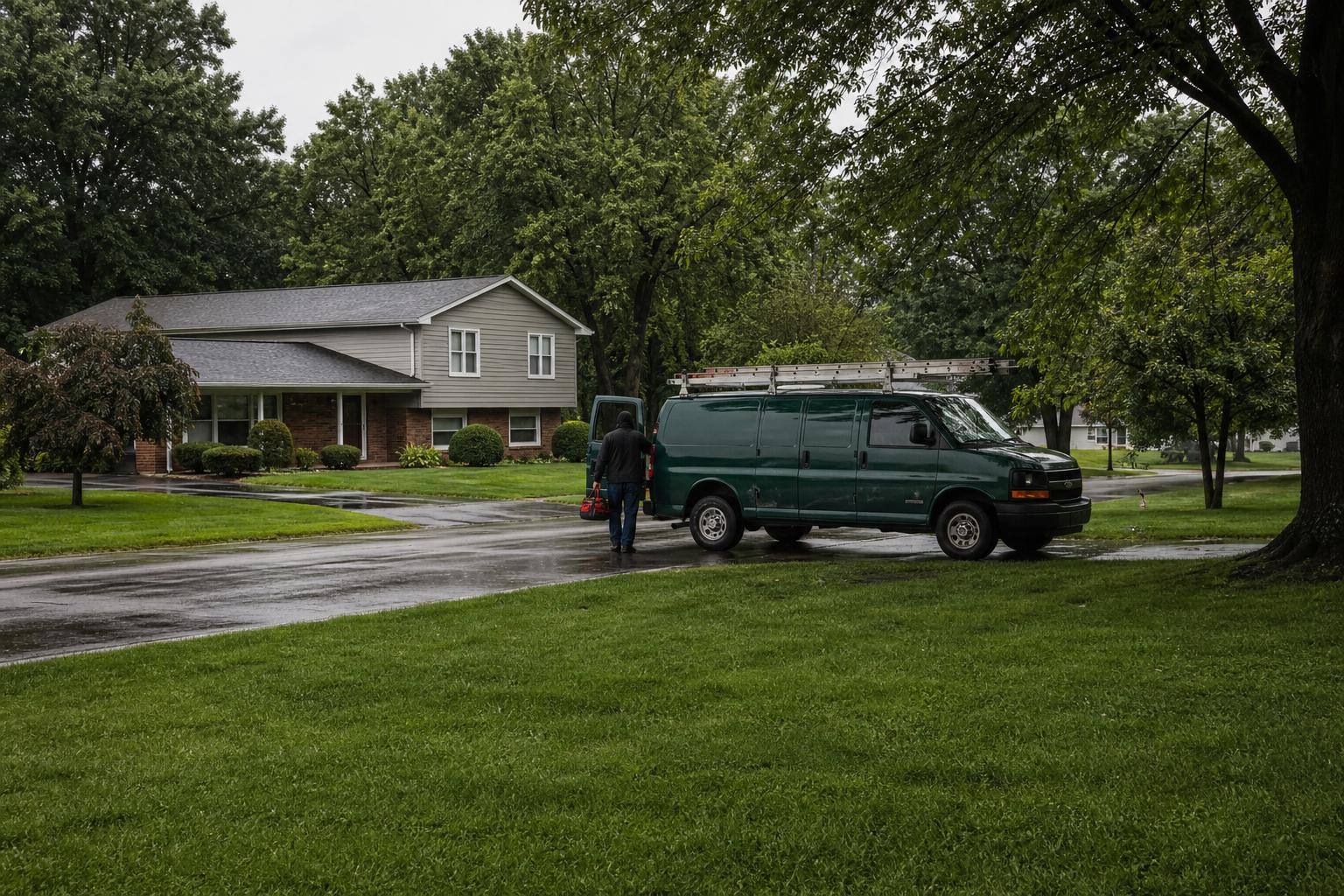
Smoke Detector Installation · Chinquapin, NC
Farm roads outside Chinquapin lead to homes with long driveways, crawl spaces, and separate outbuildings. A single phone booking gets the smoke detector installation organized for the property.
A real person answers · No forms · No waiting on a quote email
Plan
A residential installation visit fits most Chinquapin homes, while farm properties, rental houses, and larger buildings may need a broader site review.
Quote
The quote is given on the call and changes with detector count, wiring, materials, access, and time on site.
Time
The visit time is set on the call around your household, tenants, farm access, and property conditions.
From Chinquapin’s town center to rural Duplin County farm roads and homes near the Northeast Cape Fear River, smoke detector work depends on building layout and access. Crawl spaces, additions, detached structures, rental houses, and larger work areas each need a different installation plan.
Services
Chinquapin
Chinquapin properties often sit on larger lots, with farm access, detached buildings, crawl spaces, and additions that are not arranged like a compact townhome. Humid air, heavy rain, and wet ground can also affect access around the building. The installation plan accounts for the home or commercial structure, existing wiring, ceiling height, detector locations, and any areas that need specialist attention.
For Chinquapin homes, farmhouses, rental houses, and additions, the installation checks rooms, existing wiring, ceiling access, and detector placement.
Duplin County shops, offices, and agricultural buildings may need a broader review of rooms, corridors, wiring routes, and occupied work areas.
New construction and remodeling around Chinquapin require planning around open ceilings, changing walls, temporary access, and the final electrical layout.
Local installation covers Chinquapin properties from the town center to rural farm roads, with access and building separation considered before work begins.
Cost
The exact quote is given on the call after the work is described. Cost depends on the detector count, building type, existing wiring, parts and materials, time on site, distance from Chinquapin, and access to the work areas.
A compact home, a farmhouse with additions, and a detached agricultural building require different detector counts, wiring paths, ceiling access, and time on site.
Parts and materials depend on whether the Chinquapin property has usable wiring, older connections, replacement bases, new cable paths, or areas needing additional electrical work.
Distance from Chinquapin, long farm drives, locked gates, wet ground, and separated buildings can change travel, setup, and the time needed to reach each work area.
Occupied rooms, high ceilings, crawl-space entry, furniture, tenant coordination, and after-hours work can affect how the installation is planned and priced.
To avoid surprise charges, describe every building, addition, detector location, access problem, and known wiring issue during the phone review. The exact quote is given before the visit is scheduled.
What goes in
Have the property address, building type, existing detector details, and any known wiring concerns ready. A typical Chinquapin farm load may include the main house, an addition, and a detached outbuilding.
Unlock gates, identify crawl-space or attic entries, clear furniture below work areas, and explain any wet-ground or long-driveway limits common on rural Chinquapin properties.
Keep occupants and pets clear while each detector is checked. After the work, review the installed locations, operating controls, and any remaining access or electrical concerns.
Not accepted. The installation does not cover unrelated electrical repairs, concealed structural damage, hazardous materials, blocked access, or work in areas that cannot be safely reached.
Projects
Chinquapin homes, farmhouses, rental houses, and additions may need detector placement planned around bedrooms, hallways, crawl spaces, and separate living areas.
Commercial properties in Duplin County need the work area reviewed for occupied rooms, corridors, ceiling access, existing electrical systems, and building separation.
Maintenance work around Chinquapin can address aging units, damaged bases, loose connections, hard-to-reach detectors, and changes made during renovations.
Specialist installation suits unusual layouts, high ceilings, separated structures, difficult wiring routes, and rural properties with access constraints outside Chinquapin’s town center.
Explain the Chinquapin property, building count, detector concerns, existing wiring, and any crawl-space, attic, or high-ceiling access issues.
The work scope is reviewed around detector locations, parts, materials, building access, time on site, and any related electrical conditions.
Set the visit time by phone after the property details and access arrangements are understood, including gates, tenants, pets, and parking.
After installation, the work area and detector operation are checked, and any remaining concerns or additional work are explained.
Weather
Chinquapin’s humid heat can make attic and ceiling work uncomfortable, while tropical storms, heavy rain, flooding, and wet ground can limit outdoor access. Weather conditions may affect gates, farm drives, parking, and movement between separate buildings, so the property condition is reviewed when the visit is arranged.
Placement
Work may take place at ceilings, wall locations, crawl-space entries, utility rooms, finished rooms, and detached structures. Chinquapin homes on rural lots may have long drives, locked gates, wet ground, low crawl spaces, or stored equipment that limits access to the work area.
Permits
Smoke detector installation inside a private property may involve local inspection or permit questions when it is part of new construction, remodeling, or electrical changes. The City of Chinquapin or Duplin County can clarify local requirements, and the phone review covers who needs to arrange any required approval or inspection.
Some Duplin County subdivisions, rental properties, and planned communities may have covenants, landlord rules, or access requirements for electrical work. Have those instructions ready so the installation can be coordinated with the property owner or manager.
Provide a clear path to the building, detector locations, electrical access, crawl spaces, and shutoffs where relevant. Parking must support the work vehicle, while pets and people stay clear. Wet ground, flooding, storm debris, and muddy farm drives should be mentioned before the visit.
Service covers Chinquapin’s town center, homes along rural roads, farm properties, rental houses, detached buildings, and outlying parts of Duplin County connected to the community. Nearby work may also be arranged around Wilmington, Little River, Cary, Durham, and Murrells Inlet when the property details and location are reviewed.
Not sure about your street? Ask on the call and we will tell you which office handles it.
Timing
Smoke detector installations in Chinquapin are often planned around renovations, property turnover, rural maintenance, and seasonal weather. Humid summer heat can make attic and crawl-space work harder, while tropical storms and heavy rain can affect roads, yards, gates, and movement between buildings. The work area and access conditions are discussed when scheduling.
Hot, humid conditions can affect attic, crawl-space, and ceiling access at Chinquapin properties. Describe enclosed work areas, shaded parking, stored equipment, and any air-quality concerns before the visit.
Tropical storms, flooding, and heavy rain can leave rural drives, yards, and farm access wet or blocked. Mention standing water, damaged access routes, fallen limbs, and separate buildings when arranging the work.
Service area
Chinquapin is part of our Duplin County coverage, and we also serve the neighboring communities below.
Why us
Chinquapin homes are often spread across larger rural lots, so the job may involve more than one structure. A farmhouse, addition, detached workshop, or rental space can change the detector layout and the time needed to reach each location.
Antech Electrical Contractor · Chinquapin
Wet ground and heavy rain matter on Duplin County farm properties. Long drives, gates, crawl-space entries, and separated buildings should be described early so the installation plan matches the actual access conditions at the Chinquapin property.
Click Here to Call (844) 442-2039FAQs
Still have a question about Chinquapin? Call (844) 442-2039 and ask a real person.
The exact quote is given on the call after the property and work are reviewed. Cost is shaped by detector count, building type, existing wiring, parts and materials, time on site, distance from Chinquapin, and access to crawl spaces, ceilings, additions, or detached buildings.
A residential smoke detector installation visit fits most Chinquapin houses, farmhouses, rental homes, and additions. A larger property with detached buildings, unusual wiring, high ceilings, or commercial use may need a broader review before the work is scheduled.
The available visit time is set by phone after the property, scope, and access are reviewed. Ask about same-day or next-day availability if the need is urgent, and mention rural roads, gates, tenants, or weather-related access limits.
The work covers the agreed smoke detector installation at the reviewed building locations, including consideration of detector placement, existing wiring, parts, materials, and access. The final scope depends on the Chinquapin property and is explained during the phone review.
It does not automatically cover unrelated electrical repairs, concealed structural damage, hazardous materials, blocked access, or areas that cannot be safely reached. Describe damaged wiring, water intrusion, remodeling, or other concerns so the scope can be reviewed accurately.
Permit or inspection requirements depend on whether the work is part of construction, remodeling, or electrical changes. The City of Chinquapin or Duplin County can clarify local requirements, and the call covers who is responsible for arranging any required approval.
Clear access is needed to detector locations, ceilings, wall areas, crawl spaces, attics, utility rooms, and relevant electrical points. Unlock rural gates, clear stored items, arrange parking, and keep pets, children, tenants, and visitors away from the work area.
Have the property address, building use, number of structures, existing detector concerns, wiring information, access instructions, and any landlord or covenant rules ready. Mention long drives, wet ground, locked gates, and detached farm buildings during the phone review.
Yes, humid heat, tropical storms, heavy rain, flooding, and wet ground can affect attic work, crawl-space entry, farm drives, parking, and movement between buildings. Report standing water, storm debris, muddy access, or exposed areas when setting the visit.
They can be reviewed for farm properties and detached buildings, subject to safe access and the agreed work scope. Identify the main house, barns or outbuildings, building use, electrical conditions, gates, and ground conditions so the installation plan fits the property.
A real person answers · No forms · Every quote given on the phone