Residential smoke detector installation
Homes in Dilworth, Plaza Midwood, and Ballantyne may need different access plans for finished ceilings, attic routes, and existing detector wiring.
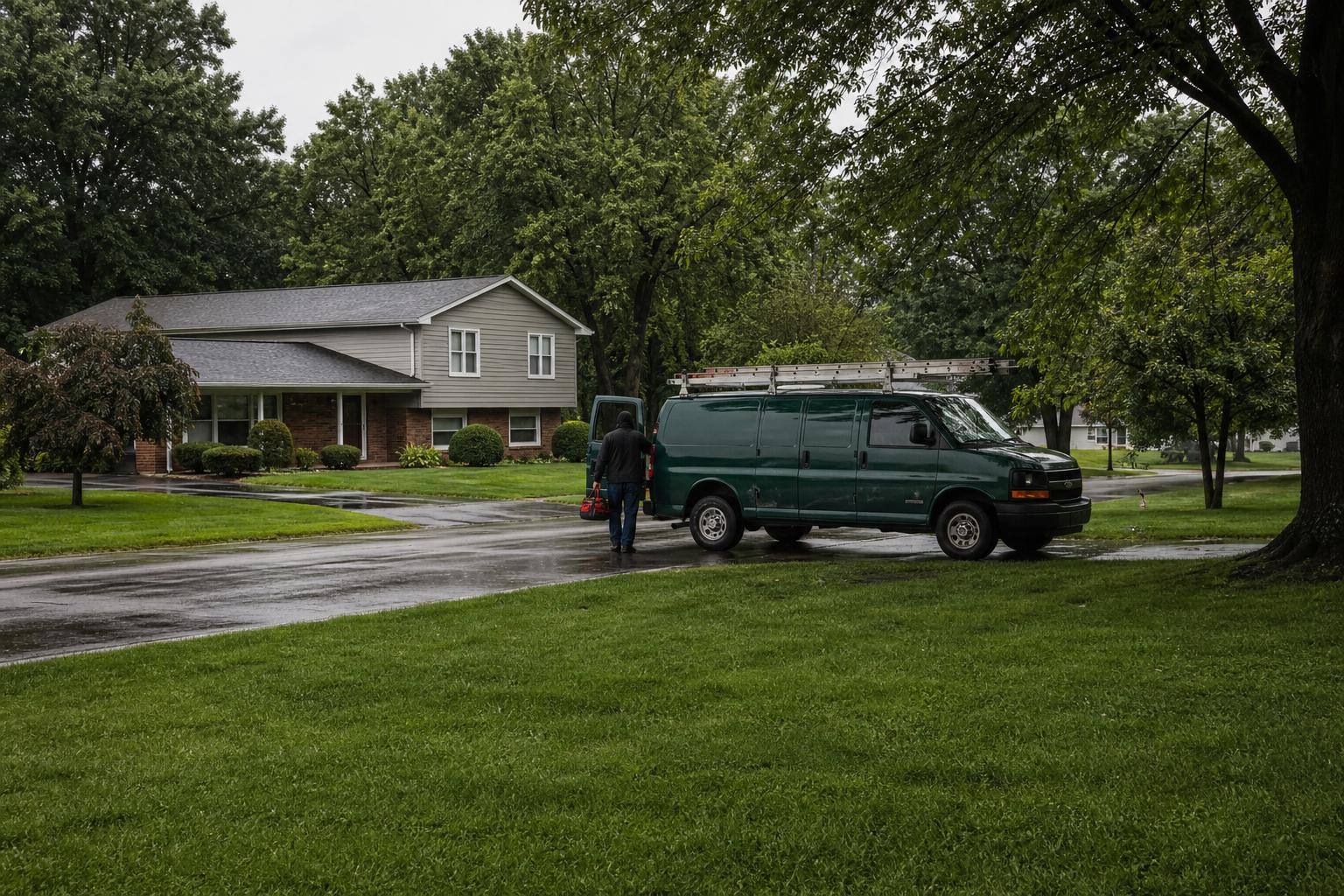
Smoke Detector Installation · Charlotte, NC
In Plaza Midwood, an older house may need a different smoke detector installation plan than a new build in Ballantyne. One phone call gets the work sorted around the home’s actual wiring and access.
A real person answers · No forms · No waiting on a quote email
Plan
The right visit depends on the home or building, existing detector wiring, ceiling access, and whether a Charlotte remodel, rental, or new construction job needs several locations checked.
Quote
The quote is given on the call, based on detector type, parts, access, wiring conditions, and time on site.
Time
The visit time is set on the call around access to the home, building, or active construction area.
Smoke detector installation in Charlotte covers older homes in Dilworth, newer construction around Ballantyne, townhomes near South End, and commercial spaces along Independence Boulevard. The work may involve checking existing wiring, reaching finished ceilings, coordinating with construction crews, or placing detectors where changing layouts have left gaps.
Services
Charlotte
Charlotte’s rapid growth puts older ranch homes, renovated bungalows, townhomes, apartments, and new commercial construction side by side. A smoke detector installation may involve replacing aging units, adding coverage during a remodel, checking interconnected wiring, or working around finished ceilings. In Mecklenburg County, the practical plan starts with the building type, access points, and the detector locations already in place.
Homes in Dilworth, Plaza Midwood, and Ballantyne may need different access plans for finished ceilings, attic routes, and existing detector wiring.
Charlotte offices, retail spaces, and tenant improvements require coordination around occupied areas, ceiling systems, work hours, and existing alarm equipment.
New construction around South End and University City may need detector placement coordinated with electricians, drywall work, and changing room layouts.
A Charlotte site visit accounts for local housing styles, Mecklenburg County access conditions, storm exposure, and the actual path to each work area.
Cost
The exact quote is given on the call after discussing the building, detector locations, and work already present. Cost changes with the type and size of the job, parts and materials, wiring or mounting conditions, time on site, access, distance, and after-hours work.
A single replacement location differs from a full home, apartment, office, or construction project. The number of work areas and detector locations changes labor and materials.
Detector type, mounting hardware, replacement wiring, connectors, and compatibility with existing equipment can affect the quote, especially in older Charlotte homes.
Finished ceilings, crawl spaces, stairwells, locked rooms, and limited parking can add setup time. Distance from the Charlotte service area also affects the visit.
After-hours work, occupied commercial areas, active construction, storm conditions, or difficult seasonal access can change the time required on site.
To avoid surprise charges, describe the building, existing detectors, ceiling access, parking, and any alarm equipment during the call. The exact quote is given before the visit is set.
What goes in
Have the property address, building type, existing detector information, and any remodel or construction details ready. A typical Charlotte load may include ladders and detector materials for several finished rooms.
Unlock rooms, attic or crawl space entries, and electrical areas before the visit. Keep hallways clear, arrange parking, and mention tenant schedules or active construction around Mecklenburg County.
Keep the work area open while detectors are checked and installed. Afterward, confirm that rooms are accessible for testing and that occupants understand any equipment changes.
Not accepted. This service does not cover unrelated electrical repairs, concealed structural damage, inaccessible areas, fire alarm system work outside the agreed scope, or materials not discussed during the call.
Projects
This fits Charlotte houses, apartments, and townhomes where aging detectors, changed room layouts, or finished ceilings make placement and wiring worth reviewing.
Offices, shops, and tenant spaces around Uptown, South End, and Independence Boulevard may need coordinated work around staff, customers, ceiling systems, and existing equipment.
Maintenance work checks existing detector locations, mounting, connections, and operation for Charlotte properties before small issues become larger access or coverage problems.
Specialist work may suit complex wiring, unusual ceiling access, construction conditions, or larger Mecklenburg County properties that need a more careful installation plan.
Explain the property type, detector locations, existing wiring, ceiling access, and any remodeling or construction conditions in Charlotte.
Review the areas involved, parts or materials that may be needed, access limits, and any equipment that must work with the existing system.
Set the visit around occupants, tenants, construction crews, parking, and access to rooms, utility spaces, attics, or crawl spaces.
Check the installed detectors and work areas, then confirm any remaining access, testing, or equipment notes before the job is closed.
Weather
Charlotte’s humid summers can make attic and upper-ceiling work uncomfortable, while severe thunderstorms can affect exterior access and electrical conditions. Occasional winter ice may limit driveways, walkways, and ladders. Wet clay soil can also make yard access muddy when exterior routes or crawl space entries are needed.
Placement
The work may occur in bedrooms, hallways, finished ceilings, utility rooms, attics, crawl spaces, basements, or areas connected to a slab. Charlotte homes vary widely in access, and furniture, low crawl spaces, locked rooms, steep steps, wet clay, or active construction can limit the route.
Permits
A smoke detector installation may be part of permitted construction, remodeling, electrical work, or a project requiring inspection by the City of Charlotte or Mecklenburg County. The call covers the project details and who is responsible for arranging any required permit or inspection, rather than assuming the requirement.
HOA rules, neighborhood covenants, and landlord requirements in Mecklenburg County may control access, visible exterior work, tenant scheduling, or renovation approvals. Have those instructions ready so the installation plan does not conflict with property management requirements.
Clear the rooms, ceilings, utility spaces, attic or crawl space entries, and electrical access points involved in the work. Provide safe parking for the work vehicle, keep pets and people away, and mention wet clay, storm damage, ice, or other seasonal conditions affecting Charlotte access.
Service covers Charlotte areas including Uptown, Dilworth, Plaza Midwood, South End, Ballantyne, University City, NoDa, and neighborhoods on the east, west, north, and south sides. Nearby work may also be discussed for Davidson, Clover, Mooresville, Lugoff, and Inman.
Not sure about your street? Ask on the call and we will tell you which office handles it.
Timing
Demand often increases around home purchases, renovations, rental turnovers, and construction phases across Charlotte. Summer humidity and storms can complicate attic routes and exterior access, while winter ice can affect driveways and walkways. Scheduling also needs to account for occupied homes, student rentals, commercial tenants, and active building sites.
Hot, humid weather can make attic work harder, while severe thunderstorms may interrupt exterior access or raise concerns around wet electrical areas. Keep access paths clear and report storm-related conditions before the visit.
Occasional winter ice can affect Charlotte driveways, steps, ladders, and crawl space entries. Check that the route is safe and mention shaded or low-lying areas where moisture freezes or clay remains soft.
Service area
Charlotte is part of our Mecklenburg County coverage, and we also serve the neighboring communities below.
Why us
Charlotte’s mix of older housing and rapid new construction changes the job from one property to the next. A detector installation may require attic access in a ranch home, careful ceiling work in a renovated bungalow, or coordination with trades on a new build.
Antech Electrical Contractor · Charlotte
Mecklenburg County properties also vary in parking, crawl space access, tenant occupancy, and storm exposure. Describing those conditions on the call helps set a practical visit plan before tools and materials arrive.
Click Here to Call (844) 442-2039FAQs
Still have a question about Charlotte? Call (844) 442-2039 and ask a real person.
The exact quote is given on the call. Cost depends on the building and job size, detector type, parts and materials, wiring or mounting conditions, access, distance, time on site, and after-hours work. Describe the property and existing equipment, including any finished ceilings or construction areas.
The right visit depends on whether the property is residential, commercial, under construction, in maintenance, or has unusual wiring and access. Explain the building type, rooms involved, existing detectors, and any remodel details so the work can be scoped properly.
The visit time is set on the call. Availability depends on the work scope, access to the property, occupied rooms, construction coordination, and current scheduling. Same-day or next-day availability can be discussed when you provide the address and job details.
It covers the agreed detector installation work, including the locations and access areas discussed during the call. The scope may involve existing mounting or wiring conditions, replacement materials, and testing related to the installed work. The exact scope is reviewed before scheduling.
It does not automatically cover unrelated electrical repairs, concealed structural damage, inaccessible areas, broader fire alarm system work, or materials outside the agreed scope. Mention those concerns on the call so the work can be separated or reviewed accurately.
It may need a permit or inspection when connected with construction, remodeling, electrical work, or a regulated project. The City of Charlotte or Mecklenburg County may be involved, depending on the property and work. The call covers who is responsible for arranging any requirement.
Clear furniture and floor space below the work areas, unlock rooms and utility spaces, secure pets, and provide safe parking. Have attic, crawl space, electrical panel, and existing detector access ready where applicable, especially in older Charlotte homes.
The work area must be safe and accessible during severe thunderstorms, heavy wet conditions, or occasional winter ice. Storms can affect electrical and exterior access, while ice can affect steps and driveways. Mention those conditions when setting the visit time.
Have the property address, building type, number and locations of existing detectors, ceiling and attic access details, renovation or construction information, and any equipment concerns ready. Also mention tenants, pets, parking limits, and restrictions from an HOA or landlord.
Yes, Charlotte’s mix of older homes, renovated neighborhoods, townhomes, and new construction changes the likely wiring and access plan. Older properties may have limited routes or finished ceilings, while new construction may require coordination with other trades and changing room layouts.
A real person answers · No forms · Every quote given on the phone