Residential smoke detector installation
Homes in Strawberry Hill, Argentine, and Turner may need placement reviewed across bedrooms, hallways, basements, and additions.
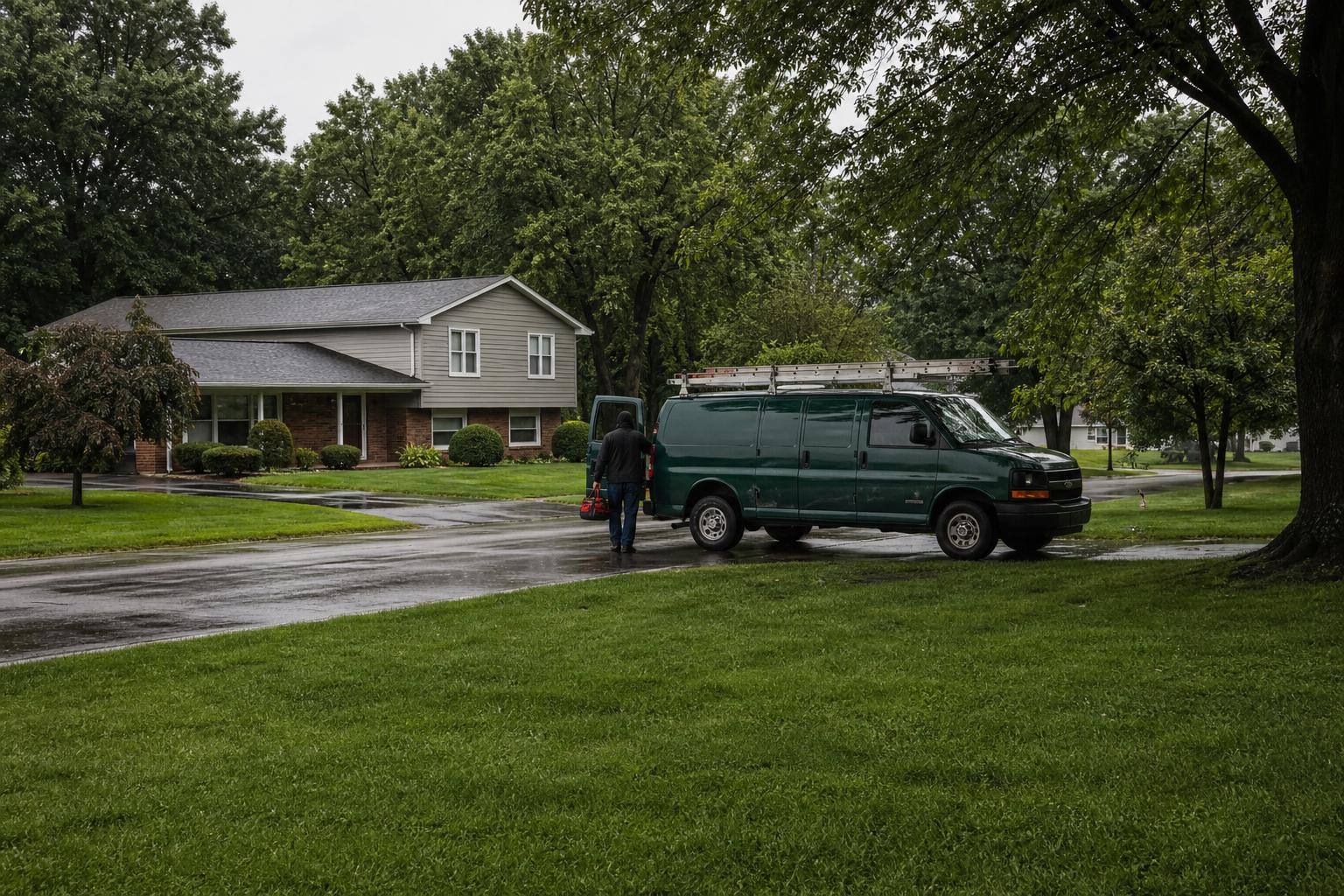
Smoke Detector Installation · Kansas City, KS
In Argentine and Armourdale, rolling clay lots and older houses make smoke detector placement a real site job, not a quick guess. One call gets the installation scope sorted.
A real person answers · No forms · No waiting on a quote email
Plan
The right visit depends on the home, rental property, or commercial job, including older Kansas City houses, attached units, and new construction with open walls.
Quote
The quote is given on the call, based on detector type, access, parts, materials, and time on site.
Time
The visit time is set on the call around household access, tenant schedules, and the work area.
Smoke detector installation in Kansas City covers older homes in Strawberry Hill, attached housing near Downtown, and newer work around Piper. Rolling ground, expansive clay soils, basements, and crowded driveways can change access, while commercial and construction sites need a clear installation scope.
Services
Kansas City
Kansas City housing ranges from older wood frame homes in Argentine and Armourdale to attached homes near Downtown and newer construction around the western edge. Commercial spaces and active building sites bring different ceiling access, wiring, occupancy, and inspection questions. The installation starts with the property type and room layout, then accounts for basements, utility areas, stairways, and any difficult access caused by rolling clay terrain.
Homes in Strawberry Hill, Argentine, and Turner may need placement reviewed across bedrooms, hallways, basements, and additions.
Kansas City offices, shops, and multi unit buildings require a scope that accounts for occupancy, ceiling access, and existing alarm equipment.
New work around Piper and western Kansas City can be coordinated with open walls, changing access, and the construction stage.
Local installation accounts for Kansas City property layouts, rolling lots, crowded alleys, and the practical route into the work area.
Cost
The exact quote is given on the call after the job is described. Cost depends on the property type, detector and mounting needs, parts and materials, time on site, access, distance across Kansas City, and any after hours work.
The number and type of rooms, existing detectors, ceiling height, and whether the property is residential, commercial, or under construction shape the work.
Detector type, mounting hardware, wiring materials, replacement components, and the condition of existing equipment can change the installation cost.
Distance, parking, narrow alleys, occupied rooms, stairways, basements, and rolling clay lots can affect the time needed to reach each work area.
Testing, removal of old equipment, difficult mounting surfaces, tenant coordination, and after hours work can add labor to the planned visit.
Describe the rooms, existing equipment, property type, and access conditions before the visit. That gives the exact quote a workable foundation and helps avoid charges caused by missing site details.
What goes in
Have the property address, room layout, existing detector information, and any known electrical concerns ready. Kansas City homes may also need basement and stairway access considered.
Clear paths to bedrooms, hallways, basements, utility rooms, and ceilings. A narrow Kansas City alley, occupied rental, or steep clay lot can limit where the work vehicle parks.
Keep people and pets clear while detectors are mounted and checked. Confirm that rooms are accessible and that any requested testing or follow up work is understood before the visit ends.
Not accepted. The service does not cover unrelated electrical work, concealed structural repairs, hazardous materials, blocked work areas, or equipment and conditions outside the agreed smoke detector installation.
Projects
A residential visit can cover older Kansas City homes, attached housing, basements, additions, bedrooms, and hallways where access and existing equipment need review.
Commercial work in Downtown Kansas City and along major corridors may involve occupied spaces, higher ceilings, multiple rooms, and coordination with building representatives.
Maintenance work checks existing detector locations and condition for Kansas City homes, rentals, and commercial spaces, with access arranged around occupants.
Specialist installation suits unusual layouts, difficult ceiling access, construction changes, or older equipment in Wyandotte County properties.
Explain the property type, rooms involved, existing detectors, access limits, and any known electrical or construction conditions.
Review detector locations, mounting surfaces, parts, materials, site access, and the work needed at the Kansas City property.
Set the visit time around occupants, tenants, construction stages, parking, and access to the planned work areas.
After installation, review the completed areas, detector operation, remaining access concerns, and any work outside the original scope.
Weather
Kansas City summers bring heat and humidity, while severe storms can disrupt outdoor access and parking. Icy winters make sloped clay driveways, steps, and walkways harder to use. Most detector work is indoors, but weather still affects how safely the work vehicle, equipment, and people reach the property.
Placement
The work may involve bedrooms, hallways, stairways, basements, crawl spaces, utility rooms, and areas near electrical equipment. Kansas City homes on rolling clay terrain can have tight side yards, steep walks, narrow alleys, or slab and basement layouts that limit equipment access.
Permits
Smoke detector installation may require a permit or inspection when tied to a larger construction, commercial, or regulated building project. The City of Kansas City, Kansas, or another local authority determines what applies. The call can cover who needs to arrange the permit or inspection and what property details are needed.
Some Wyandotte County subdivisions, condominiums, and rental properties have HOA, covenant, or landlord rules about access, equipment, exterior work, or scheduling. Check those rules before the visit and share any written requirements during the call.
Clear the route to the rooms, ceilings, basements, crawl spaces, utility areas, and electrical equipment involved. Provide practical parking for the work vehicle, keep pets and people away from the work area, unlock gates, and account for icy walks, wet ground, or clay conditions.
Service covers Kansas City neighborhoods and settings including Argentine, Armourdale, Strawberry Hill, Turner, Piper, Downtown, and the western and southern parts of the city. Nearby work may also be arranged in Lawrence, Ottawa, Republic, and Monroe City when the scope and travel details are reviewed.
Not sure about your street? Ask on the call and we will tell you which office handles it.
Timing
Smoke detector installation is often requested during home purchases, remodeling, tenant turnover, and construction changes. Kansas City work can also become harder to access during stormy summer conditions or icy winter weather. Busy periods depend on the property type and building schedule, so the visit time is set after the scope and access are reviewed.
Severe storms can leave wet ground, blocked routes, or difficult parking around Kansas City properties. Indoor installation may still proceed when the rooms are accessible, but outdoor approaches and utility areas should be checked.
Icy steps, sloped drives, and clay soil conditions can restrict access to basements, crawl spaces, and side entrances. Clear walkways and share any winter access problem when arranging the visit.
Service area
Kansas City is part of our Wyandotte County coverage, and we also serve the neighboring communities below.
Why us
Kansas City's dense neighborhoods put older homes, attached units, alleys, basements, and narrow parking areas close together. A proper scope accounts for how the crew reaches each room, not just where a detector appears on a floor plan.
Antech Electrical Contractor · Kansas City
Wyandotte County properties sit across rolling terrain with expansive clay soils, while construction and commercial sites change access as work progresses. Describing the building stage, rooms, and site limits helps match the installation to the actual property.
Click Here to Call (844) 442-2039FAQs
Still have a question about Kansas City? Call (844) 442-2039 and ask a real person.
The quote is given on the call and depends on the property type, detector equipment, parts and materials, number of areas, access, time on site, distance, and after hours work. Describe the Kansas City property, existing equipment, rooms, and parking conditions so the scope can be reviewed accurately.
The right visit depends on whether the property is residential, commercial, under construction, or receiving maintenance or specialist work. Older homes in Argentine, Armourdale, and Strawberry Hill may need a different access review than a new building around Piper.
The visit time is set on the call after the work scope and access are reviewed. Share whether the property is occupied, under construction, or tied to a tenant schedule, and ask about any preferred or urgent timing.
The work covers the agreed installation areas, mounting and connection needs within the reviewed scope, and completion checks for the installed detectors. The exact work depends on existing equipment, room layout, ceiling access, and the condition of parts and materials.
It does not automatically cover unrelated electrical repairs, structural repairs, hazardous materials, concealed conditions, blocked access, or work outside the agreed scope. Mention any damaged wiring, remodeling, water intrusion, or unusual equipment before the visit.
A permit or inspection may apply to construction, commercial, or regulated building work, while the local authority determines the requirement. The City of Kansas City, Kansas, or another authority may be involved, and the call can cover who arranges the applicable review.
Provide clear access to bedrooms, hallways, stairs, basements, crawl spaces, utility rooms, and ceilings. Unlock gates, arrange parking, secure pets, and mention narrow alleys, steep walks, tenants, or icy approaches before the visit.
Have the property address, building type, rooms involved, existing detector details, construction stage, access limits, and preferred scheduling information ready. For a Kansas City rental or commercial site, also have the tenant, landlord, or building representative details available.
Kansas City heat, humidity, severe storms, ice, and wet expansive clay can affect parking and exterior access even when the detector work is indoors. Clear steps and paths, then describe any storm damage, icy route, or muddy side access when scheduling.
Older Kansas City homes with basements can be reviewed for detector placement, mounting surfaces, stairways, bedrooms, and hallway access. Share whether the basement is finished, whether existing equipment remains, and whether stairs or stored belongings restrict the route.
A real person answers · No forms · Every quote given on the phone