Residential smoke detector installation
Installation for Long Island City apartments, lofts, and attached homes, with placement planned around finished ceilings, bedrooms, hallways, and building access rules.
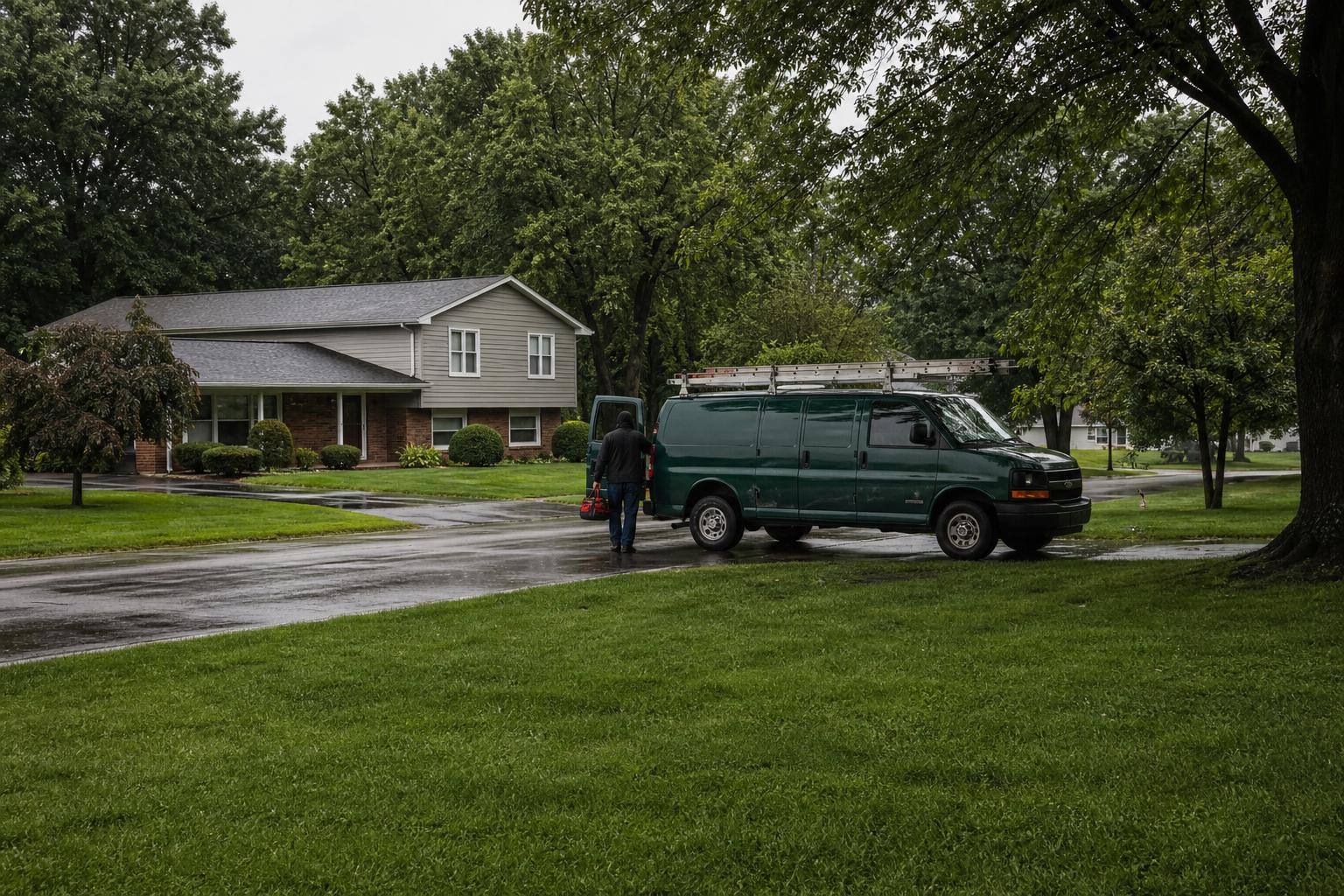
Smoke Detector Installation · Long Island City, NY
A high-rise apartment in Hunters Point needs detectors installed around finished ceilings, shared corridors, and limited service access. One phone conversation gets the Long Island City work scope sorted.
A real person answers · No forms · No waiting on a quote email
Plan
For Long Island City apartments, brownstones, offices, and active construction floors, the right installation visit depends on detector locations, ceiling access, and the building layout.
Quote
The quote is given on the call, based on detector quantity, parts, access, travel distance, and time on site.
Time
The visit time is set on the call around building access, resident schedules, and any construction coordination.
From Hunters Point and Court Square to Dutch Kills and Queens Plaza, Long Island City work often means high-rise apartments, converted industrial buildings, offices, and active construction floors. Smoke detector installation is planned around finished ceilings, shared corridors, fire separation, elevator rules, and restricted loading access.
Services
Long Island City
Long Island City properties range from new tower apartments in Hunters Point and Queens Plaza to older industrial conversions in Dutch Kills. Detector installation may involve finished ceilings, shared hallways, tenant coordination, and building management rules. The work is scoped around the actual rooms and access points, not a generic suburban layout.
Installation for Long Island City apartments, lofts, and attached homes, with placement planned around finished ceilings, bedrooms, hallways, and building access rules.
Office, retail, and mixed-use spaces near Court Square or Queens Plaza may need coordinated access across occupied rooms, shared corridors, and utility areas.
New construction and renovation work in Hunters Point requires scope review around changing ceilings, open framing, trades, and restricted high-rise access.
A Long Island City installation accounts for tower loading limits, elevator reservations, dense paved streets, and the specific building layout.
Cost
The exact quote is given on the call after the work is described. Prices depend on the type and size of the job, detector locations, parts and materials, time on site, building access, travel distance, and after-hours work.
A single apartment differs from a mixed-use floor or construction project. Detector quantity, ceiling types, room arrangement, and shared areas in Long Island City change the work involved.
Long Island City's tower lobbies, freight elevators, loading restrictions, and dense paved streets can affect setup, travel from the vehicle, and time on site.
The required detector type, mounting hardware, wiring needs, and replacement materials affect cost. Existing conditions are reviewed before the installation scope is finalized.
Occupied offices, tenant apartments, construction crews, after-hours entry, and property management procedures can change the visit plan and the labor needed.
To avoid surprise charges, describe the building, detector locations, access restrictions, existing wiring, and any management requirements during the call. The exact quote is given before the visit is set.
What goes in
Have the room list, existing detector information, ceiling details, and property contact ready. In Long Island City, this may include a freight elevator plan for a typical high-rise load.
Provide entry instructions, elevator or loading requirements, parking limits, and access to occupied areas. Keep hallways, stairwells, utility rooms, and the work surface clear.
After installation, the work area should remain accessible for confirmation and cleanup. Building staff can verify shared corridors, apartment rooms, and any locations included in the scope.
Not accepted. The service does not cover unrelated electrical repairs, fire alarm system work outside the agreed scope, blocked work areas, unsafe access, or materials not described during the call.
Projects
Apartments and attached homes in Long Island City can be scoped around finished ceilings, bedrooms, corridors, resident access, and property management requirements.
Offices, retail spaces, and mixed-use buildings near Queens Plaza may require coordinated access through occupied rooms, shared lobbies, and service areas.
Maintenance work in Court Square or Dutch Kills can address aging, missing, or relocated detectors after the existing layout and access conditions are reviewed.
Specialist work for high-rise construction, industrial conversions, or unusual ceiling conditions in Queens County requires a clear description of the building and installation area.
Explain the property type, detector locations, existing equipment, ceiling conditions, and any Long Island City building access restrictions.
The scope is reviewed around rooms, shared areas, materials, time on site, and coordination with residents, tenants, or construction crews.
Set the visit time around entry approval, elevator rules, loading conditions, occupied spaces, and any after-hours requirements.
The installation area is checked after the work, with completion confirmed against the locations and tasks included in the agreed scope.
Weather
Humid summers can make enclosed work areas uncomfortable, while winter snow, coastal wind, and heavy rain affect curb access and moving equipment through exposed approaches. Most detector work is indoors, but weather can still change parking, loading, roof access, and conditions around construction entrances in Long Island City.
Placement
Detectors are commonly placed in rooms, corridors, stair approaches, utility areas, and finished ceilings rather than in yards or slabs. Long Island City towers may restrict freight elevators, loading zones, parking, and access through occupied spaces. Older industrial buildings can add high ceilings, concealed wiring, and narrow service routes.
Permits
Smoke detector installation may require building approval, inspection, or coordination with the City of New York, depending on the property, system, and scope. The call covers the questions to ask, who arranges any required inspection, and what building documentation may be needed before work is scheduled.
Queens County co-ops, condominiums, landlords, and building managers may control detector types, hallway access, work hours, and entry procedures. Review the house rules or lease requirements before the visit is arranged.
Provide clear access to the rooms, ceilings, utility areas, and any shutoffs or panels relevant to the scope. Arrange legal vehicle access where possible, keep pets and people clear, and account for snow, rain, wind, or wet entrances around the property.
Service covers Long Island City through Hunters Point, Court Square, Dutch Kills, Queens Plaza, Ravenswood, and the waterfront side of the neighborhood. Work is planned for apartments, offices, mixed-use buildings, industrial conversions, and construction sites throughout Queens County, with access conditions reviewed for each address.
Not sure about your street? Ask on the call and we will tell you which office handles it.
Timing
Smoke detector installation stays relevant throughout the year in Long Island City because apartment turnover, office fit-outs, maintenance work, and construction schedules do not follow one season. Winter weather can complicate loading and building entry, while summer humidity can affect enclosed work areas and active renovation floors.
Snow, wind, and wet pavement can make curbside loading and tower entrances harder to manage. Confirm building entry, elevator access, and a clear indoor route before the installation visit.
Humid conditions and active renovation work can make ceilings, corridors, and utility spaces crowded. Coordinate with tenants and trades so detector locations remain reachable and the work area stays clear.
Service area
Long Island City is part of our Queens County coverage, and we also serve the neighboring communities below.
Why us
High-rise construction in Hunters Point and Queens Plaza changes the job before tools arrive. Freight elevators, loading zones, finished ceilings, fire separation, and building management access all affect how detector installation is planned.
Antech Electrical Contractor · Long Island City
Long Island City's older industrial buildings and newer towers sit among dense paved streets and active tenant spaces. A proper scope accounts for concealed conditions, shared corridors, occupied rooms, and the route from the vehicle to the work area.
Click Here to Call (844) 442-2039FAQs
Still have a question about Long Island City? Call (844) 442-2039 and ask a real person.
The exact quote is given on the call. Cost depends on the type and size of the job, detector locations, parts and materials, time on site, access through the building, travel distance, and any after-hours coordination. Have the address, property type, room count, and existing detector details ready.
The right visit depends on whether the property is an apartment, attached home, office, mixed-use building, or construction site. Describe the rooms, shared areas, ceiling conditions, and existing equipment so the installation scope fits the Long Island City building rather than a generic layout.
The visit time is set on the call after access, building rules, and the work scope are reviewed. Same-day or next-day availability can be discussed, but it is not promised. High-rise entry and freight elevator scheduling should be mentioned at the start.
Smoke detector installation covers the installation work described in the agreed scope, including the identified locations and related parts or materials discussed on the call. Room access, ceiling conditions, existing wiring, and shared corridors should be described so the work area is properly understood.
It does not automatically cover unrelated electrical repairs, broader fire alarm system work, blocked or unsafe access, or materials outside the agreed scope. In a Long Island City building, describe any panel, alarm, hallway, or management issue separately during the call.
Permit or inspection needs depend on the property and the installation scope, and the City of New York may be involved. The call covers what questions to ask and who arranges any required inspection. Building management documents can help clarify the process.
Provide entry instructions, resident or manager approval, elevator rules, and a clear route to each work area. Keep furniture, people, and pets away from ceilings, ladders, tools, and corridors. Towers in Queens Plaza or Hunters Point may require freight elevator coordination.
Have the Long Island City address, property type, room list, existing detector information, ceiling details, access restrictions, and any management requirements ready. Photos or maintenance notes can help explain the work, but the main need is a clear description of the locations.
Weather can affect curb access, loading, exposed entrances, and construction routes even though most detector work happens indoors. Winter snow, coastal wind, heavy rain, and summer humidity should be mentioned when they affect the path into the building or the work area.
High-rise smoke detector installation can be scoped around apartments, shared corridors, offices, utility spaces, and construction floors. Freight elevator rules, loading limits, finished ceilings, resident access, and building management procedures need to be reviewed before the visit is scheduled.
A real person answers · No forms · Every quote given on the phone