Residential smoke detector installation
Installation for Huntington homes, including older colonials, split-levels, finished basements, and rooms where attic or ceiling access is limited.
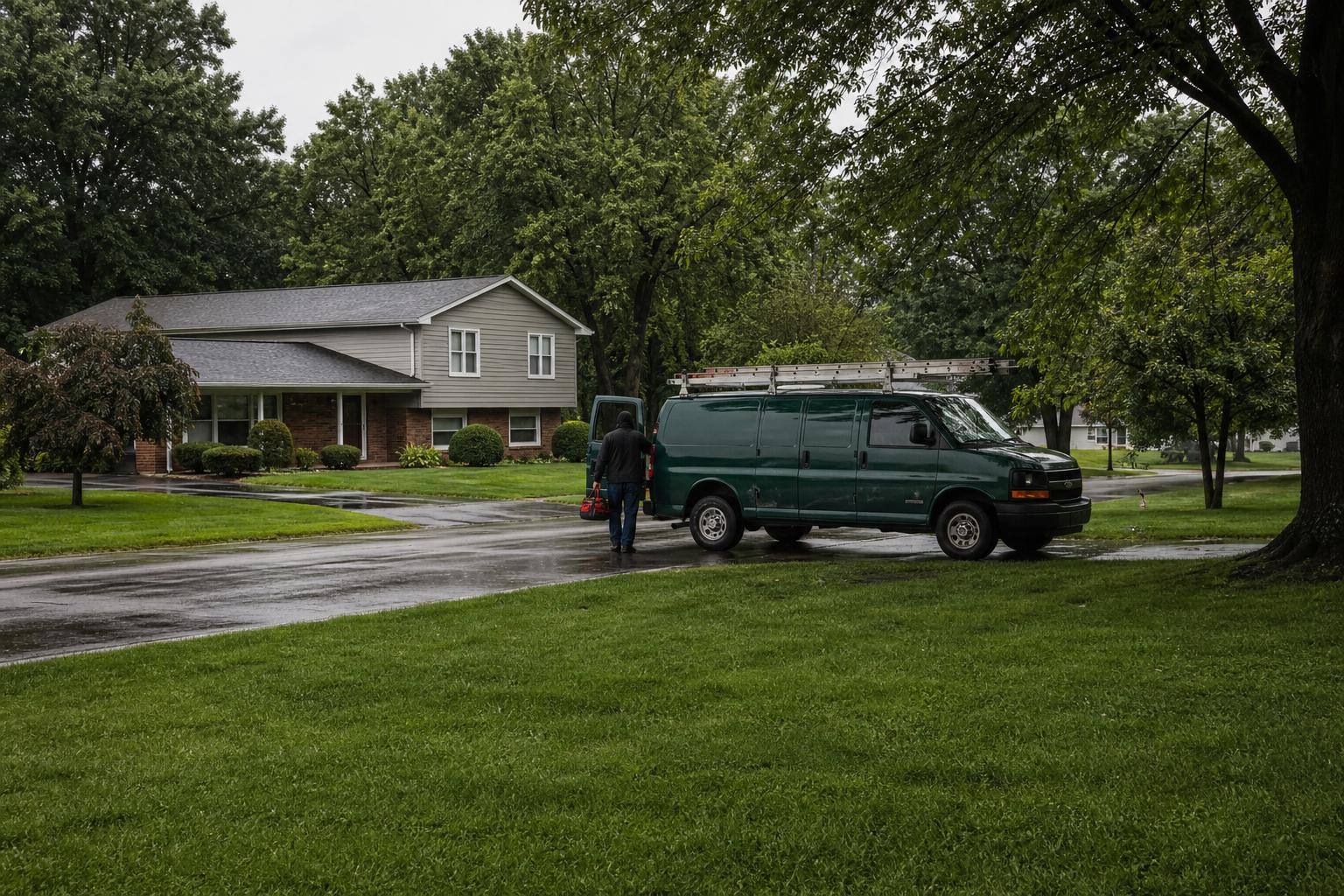
Smoke Detector Installation · Huntington, NY
In Huntington Village, a mature home may need new detectors without easy attic access. One call gets the installation sorted around tight Long Island rooms and finished ceilings.
A real person answers · No forms · No waiting on a quote email
Plan
For a Huntington colonial, split-level, apartment, or small commercial job, the right installation visit is matched to the rooms, wiring, and access you describe.
Quote
The quote is given on the call and changes with detector type, parts, access, travel distance, and time on site.
Time
The visit time is set on the call around your household, tenant, or construction schedule.
From Huntington Village and Cold Spring Harbor to Dix Hills, Melville, and Northport, local work often means mature homes, finished basements, tight side yards, and mixed commercial spaces. The installation is planned around existing wiring, ceiling access, room layout, and the practical limits of dense Suffolk County lots.
Services
Huntington
Huntington homes range from older colonials and capes to larger houses with finished lower levels, while storefronts, offices, and active construction sites bring different access problems. Salt air near Cold Spring Harbor, tight driveways, and crowded utility areas can affect how the work is reached and completed. The installation is scoped for the actual property, not a generic floor plan.
Installation for Huntington homes, including older colonials, split-levels, finished basements, and rooms where attic or ceiling access is limited.
Detector work for Huntington offices, shops, and mixed-use spaces, with attention to occupied rooms, ceiling systems, wiring, and access paths.
Construction installation for Huntington additions and remodels, coordinated around open framing, changing room layouts, and other active trades.
Local installation across Huntington Village, Dix Hills, Melville, and nearby Suffolk County properties, sized to the actual site conditions.
Cost
The quote is given on the call after the work is described. Cost depends on the detector type, number and condition of mounting points, parts and materials, time on site, travel distance, and access through Huntington homes or commercial properties.
Parts and materials vary with the detector type, replacement needs, mounting hardware, wiring condition, and whether an older Huntington home needs compatible components.
Finished ceilings, attic restrictions, crawl spaces, and narrow utility areas can add work time compared with open framing or an accessible electrical box.
Distance from the Huntington service area and access through tight Long Island driveways, side yards, or busy commercial corridors can affect the visit.
Occupied rooms, construction debris, basement storage, pets, and other site conditions influence preparation and time on site.
Describe the property, detector concerns, existing wiring, and access limits when booking. The quote can then reflect the actual Huntington job instead of leaving site conditions to surprise the customer.
What goes in
Have the detector locations, known wiring concerns, panel information, and any prior inspection notes ready. A typical Huntington load may include replacement units and mounting hardware.
Clear paths to bedrooms, hallways, basements, attics, and utility rooms. Tight Huntington side yards, parked cars, and finished storage areas can limit safe access.
Keep people and pets clear while the work is checked. The final review covers the installed detectors, room access, visible wiring work, and any remaining site questions.
Not accepted. The work does not cover unrelated electrical remodeling, concealed damage beyond the installation scope, hazardous materials, or personal items blocking the work area.
Projects
Huntington Village colonials, Dix Hills split-levels, and Northport-area homes may need detector placement planned around finished rooms and limited attic access.
Commercial work in Melville and Huntington Station is arranged around occupied rooms, suspended ceilings, stock areas, and the building’s existing wiring.
Maintenance work for Suffolk County properties can address aging units, loose mounts, battery concerns, and detector locations that no longer match the space.
Specialist installation suits Huntington remodels, additions, unusual ceiling access, and properties where salt exposure or older construction complicates the work.
Explain the Huntington property, rooms involved, existing detectors, wiring, ceiling access, and any inspection or construction requirement.
The scope is reviewed against the home or business layout, parts needed, access limits, and the work area available on site.
Set the visit around occupants, tenants, construction trades, parking conditions, and access to the rooms requiring installation.
After installation, review detector locations, visible connections, work areas, and any items that need separate attention.
Weather
Huntington’s humid coastal air and salt exposure can affect exterior access, stored materials, and exposed hardware. Nor’easters can bring wind and rain, while winter freezes make outdoor routes, ladders, and vehicle parking less predictable. The indoor installation plan still depends on safe access through the property.
Placement
Work may involve bedrooms, hallways, finished basements, crawl spaces, utility rooms, attic openings, or additions. Huntington’s tight lots can restrict side-yard access, while stored belongings, low crawl spaces, finished ceilings, and parked vehicles can limit the route to the work area.
Permits
Smoke detector installation may involve a permit or inspection when it is part of a larger alteration, construction project, or regulated building system. The Town of Huntington or another local government authority determines what applies. The call covers who needs to arrange the permit or inspection for the described work.
Some Suffolk County associations, landlords, and covenants set rules for exterior access, construction hours, tenant entry, or visible equipment. Have those requirements ready, especially for managed communities and rental properties in Huntington.
Provide a clear route to the rooms, ceiling areas, shutoffs, electrical equipment, and any attic or basement access. Parking for the work vehicle helps on Huntington’s tight lots. Keep pets and people clear, and mention wet ground, ice, wind, or blocked side access before the visit.
Service covers Huntington Village, Huntington Station, Cold Spring Harbor, West Hills, Dix Hills, Melville, East Northport, and Northport areas within the town. Work is planned for local Suffolk County homes, businesses, additions, and construction sites, with nearby service areas discussed on the call when appropriate.
Not sure about your street? Ask on the call and we will tell you which office handles it.
Timing
Smoke detector work often becomes more urgent during fall heating preparation, winter home projects, and spring renovations. Huntington’s nor’easters, freezes, and humid coastal conditions can complicate exterior movement and access to additions or utility areas. Construction and property maintenance schedules may also change how the visit is arranged.
Winter freezes can affect driveways, steps, ladders, and access around Huntington basements or additions. Clear ice and snow from the route, and identify indoor work areas before the visit is scheduled.
Spring remodeling in Huntington can expose new ceilings, walls, and wiring routes. Schedule detector planning while framing and room layouts are still visible, rather than waiting until finishes restrict access.
Service area
Huntington is part of our Suffolk County coverage, and we also serve the neighboring communities below.
Why us
Huntington’s mature Long Island housing stock often hides wiring behind finished ceilings, boxed-in stairs, or renovated lower levels. The installation plan has to account for how a technician actually reaches each detector location, not just where a floor plan suggests it should go.
Antech Electrical Contractor · Huntington
Dense suburban lots around Huntington Village, Dix Hills, and Melville can make parking, ladders, and side-yard access part of the job. Coastal humidity, salt exposure, and winter weather also make the route and work area worth discussing before scheduling.
Click Here to Call (844) 442-2039FAQs
Still have a question about Huntington? Call (844) 442-2039 and ask a real person.
The cost depends on detector type, parts and materials, existing wiring, number of locations, access, time on site, and travel distance. A finished Huntington basement or tight attic route may require different work from an open construction area. The exact quote is given on the call.
The right visit depends on the property and the work needed. A residential installation may suit a colonial, split-level, apartment, or finished basement, while a specialist visit may fit a remodel or difficult access condition. Describe the rooms, wiring, and detector concerns when booking.
The visit time is set on the call after the work, property access, and scheduling needs are reviewed. Ask about available timing, including same-day or next-day possibilities, if the detector concern is urgent or tied to a Huntington inspection or closing.
The work covers the described detector installation, mounting locations, related accessible connections, and review of the completed work area. The exact scope depends on the Huntington property, existing wiring, parts, ceiling access, and whether the job is residential, commercial, or under construction.
It does not automatically cover unrelated electrical remodeling, concealed damage outside the described scope, hazardous materials, or blocked work areas. In Huntington homes, hidden wiring problems or broader renovation needs should be described during the call so the scope is not misunderstood.
It may need a permit or inspection when connected to a larger alteration, construction project, or regulated building system. The Town of Huntington or another local authority decides what applies. The call covers who is responsible for arranging any required approval or inspection.
Someone authorized to provide access is needed unless another arrangement is approved. Clear the route to bedrooms, hallways, basements, utility rooms, attic openings, and electrical equipment. Tight Huntington lots and finished storage areas should be mentioned before the visit.
Have the property type, rooms involved, detector concerns, existing wiring details, inspection notes, construction plans, and access restrictions ready. Mention pets, parking limits, tenant rules, and any older Huntington home features that could affect the work.
Winter weather can affect outdoor routes, steps, driveways, ladders, and access to additions, even though much of the installation is indoors. Clear ice or snow where possible and describe nor’easter damage, wet ground, or blocked side access before scheduling.
Tight Huntington lots are handled by reviewing parking, side-yard routes, attic or basement entry, and the path to each work area before the visit. Move stored items, keep vehicles clear where possible, and identify any finished ceiling or crawl-space restrictions when describing the job.
A real person answers · No forms · Every quote given on the phone