Residential smoke detector installation
Residential work covers Houston houses, apartments, and townhomes, including older Heights properties, slab homes, and remodeled spaces.
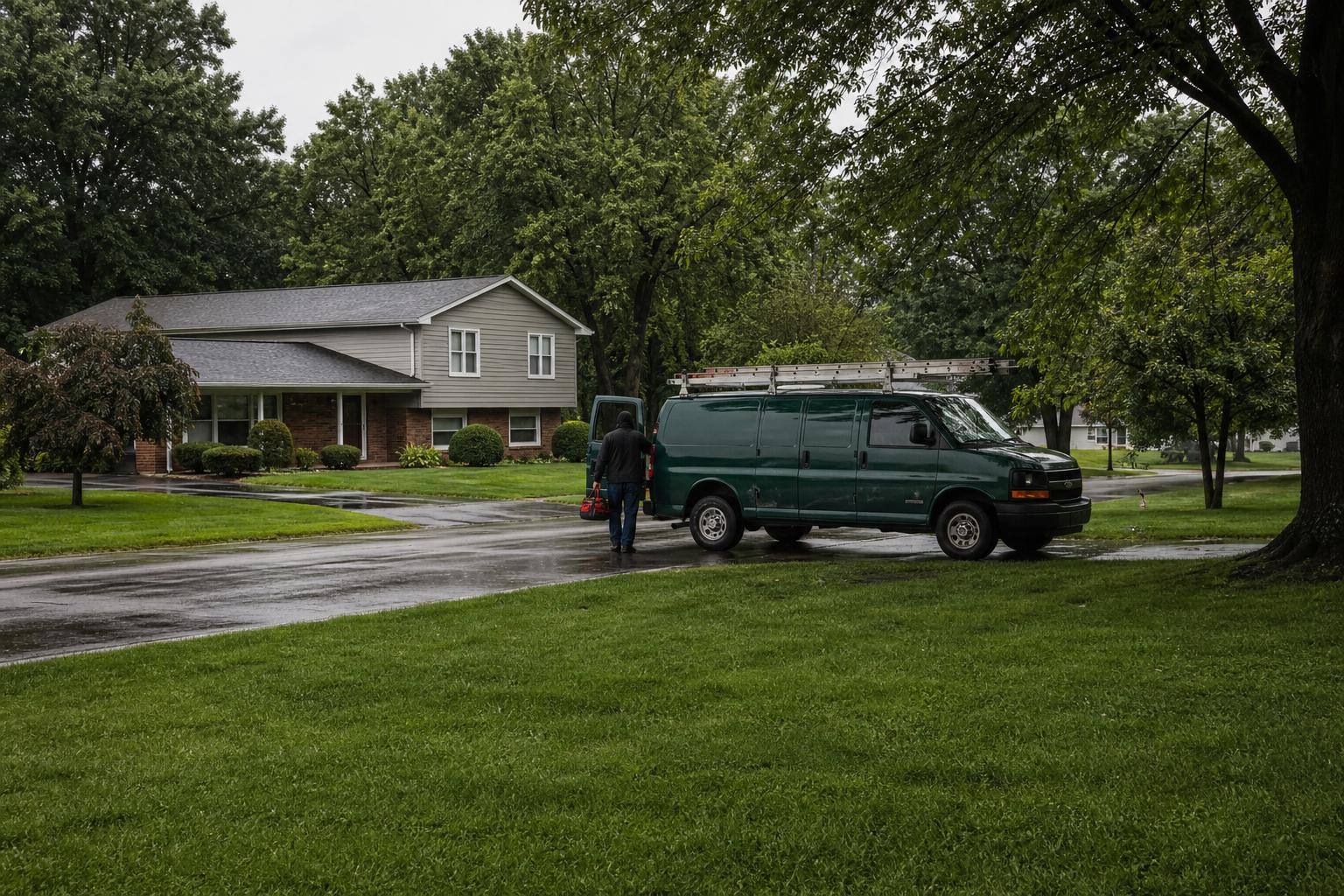
Smoke Detector Installation · Houston, TX
In Meyerland, a smoke detector installation often means working around slab construction, flood repairs, and mixed-era wiring. One phone conversation sorts the scope before the visit is set.
A real person answers · No forms · No waiting on a quote email
Plan
A residential installation fits most Houston houses, while larger homes, rentals, shops, and occupied buildings may need a commercial or specialist visit.
Quote
The quote is given on the call, based on detector type, access, wiring, parts, materials, and time on site.
Time
The visit time is set on the call around property access, occupants, weather, and the work area.
From older homes in The Heights and Montrose to townhouses in Clear Lake and flood-prone properties near the Brays Bayou corridor, Houston buildings vary widely. Smoke detector installation may involve finished ceilings, attic routes, slab construction, rental turnover, or commercial spaces that need careful access planning.
Services
Houston
Houston homes and buildings span pier and beam houses, slab foundations, remodeled bungalows, apartments, retail spaces, and active construction sites. Flood repairs around Brays Bayou and Buffalo Bayou can alter ceilings and wall access, while older neighborhoods may have wiring that needs careful review. The installation is planned around the structure, occupancy, existing devices, and the locations where smoke detection will work properly.
Residential work covers Houston houses, apartments, and townhomes, including older Heights properties, slab homes, and remodeled spaces.
Commercial installation suits offices, shops, warehouses, and occupied buildings across Houston, with access planned around staff, customers, and stored materials.
Construction installation supports Houston remodels, additions, and new builds while ceilings, wiring paths, and interior finishes remain accessible.
Local service covers Houston neighborhoods and Harris County properties where detector placement, existing wiring, and difficult access need an on-site review.
Cost
The exact quote is given on the call after the work is described. Cost changes with the detector type, number of work areas, wiring condition, ceiling or attic access, parts and materials, distance, and time on site.
A single residential detector differs from interconnected devices, commercial equipment, or specialist work in a Houston warehouse, rental property, or multi-unit building.
Parts and materials affect the quote when existing wiring is missing, damaged, incompatible, or difficult to reach behind finished ceilings and walls.
Distance and access matter across Houston, from tight Heights driveways to large commercial sites, gated communities, crowded lots, and properties affected by flooding.
The work takes longer when detectors are spread across floors, attic routes are tight, occupants remain inside, or ceiling repairs conceal the needed installation path.
A clear description of the property, existing detectors, ceiling access, and requested work helps keep the quote specific. The exact price is given on the call after those conditions are reviewed.
What goes in
Have the property type, existing detector condition, preferred locations, and any known wiring concerns ready. Mention Houston flood repairs, remodels, or smoke damage that changed the ceiling.
Provide access to rooms, attics, utility areas, and electrical panels where relevant. A typical Houston load includes occupied rooms, stored belongings, and vehicles limiting driveway access.
Keep the work areas open for inspection and testing after installation. Note any tenants, staff, pets, or renovation crews who need coordination before the visit.
Not accepted. The service does not cover unrelated electrical remodeling, concealed structural damage, blocked areas that cannot be reached, or disposal of household debris and hazardous materials.
Projects
Houston homes in West University, The Heights, and Clear Lake may need different access plans because of slab construction, additions, and finished ceilings.
Commercial work in Downtown Houston, the Energy Corridor, or warehouse areas must account for occupied spaces, ceiling height, stored goods, and business access.
Maintenance work keeps existing Houston rental, office, and residential systems reviewed when devices are aging, damaged, misplaced, or affected by renovation.
Specialist installation suits unusual layouts, difficult wiring, flood-altered rooms, and Harris County properties where ordinary ceiling access is limited.
Explain the property type, detector concerns, rooms involved, existing wiring, and any Houston flood repair or remodeling history.
Review access, detector locations, parts, materials, occupants, and conditions that may change the work area or time on site.
Set the visit around building access, tenants, staff, pets, parking, weather, and any active construction at the Houston property.
The completed work is checked with the person on site, including detector placement, visible connections, and testing where the installed system allows.
Weather
Houston heat can make attic and upper-level work uncomfortable, while intense rainfall and tropical storms can restrict exterior access. Flooding may leave moisture, damaged ceilings, or changed routes around the work area. The visit is planned with current conditions in mind, and seasonal weather concerns should be discussed during the call.
Placement
Work may occur in bedrooms, hallways, attics, utility rooms, crawl spaces, or areas above slab ceilings. Houston homes often have tight attic routes, finished interiors, additions, and flood-related repairs that limit access. Clear paths, usable ladders or openings, and access to relevant panels help determine how the installation can be completed.
Permits
Smoke detector installation may need local review, permits, or inspection when it is part of construction, remodeling, commercial work, or a broader electrical change. The City of Houston or Harris County authority may apply based on the property. The call covers which authority to ask and who arranges any required inspection.
Houston and Harris County properties may have HOA covenants, landlord rules, or property management procedures covering exterior devices, shared buildings, access, and approved contractors. Have those rules available so the scope fits the property requirements.
Clear access to the rooms, attic openings, crawl spaces, utility areas, and electrical panels involved. Provide parking for the work vehicle, keep people and pets clear, and mention standing water, saturated ground, heat, storm conditions, or flood damage before the visit.
Service covers central Houston, The Heights, Montrose, West University, Meyerland, Midtown, Downtown, Third Ward, East End, Clear Lake, the Energy Corridor, and other Houston areas. Nearby Harris County properties and close-by communities can be reviewed during the phone discussion.
Not sure about your street? Ask on the call and we will tell you which office handles it.
Timing
Houston smoke detector work often increases during home purchases, rental turnovers, remodeling, and preparation for storm season. Summer heat can complicate attic access, while heavy rain and tropical weather can delay work around damaged or inaccessible areas. Winter renovation work may expose old wiring and unfinished ceilings that need a different installation plan.
Heavy rain, tropical storms, and flooding can block driveways, expose ceiling damage, or leave work areas damp. Report those conditions so the Houston visit is planned around safe access.
Extreme Houston heat can make attic routes and upper-level work areas difficult to use. Clear the path, identify alternate access, and discuss whether the requested locations can be reached safely.
Service area
Houston is part of our Harris County coverage, and we also serve the neighboring communities below.
Why us
Houston's mixed construction eras make detector access a real job detail. A Heights bungalow, a Meyerland slab home, and a Clear Lake townhouse may place wiring, ceilings, and devices in very different locations.
Antech Electrical Contractor · Houston
Flood-prone areas around Brays Bayou and Buffalo Bayou can bring repaired ceilings, damp access routes, and altered interiors. Planning around those conditions helps match the installation to the building instead of assuming every Houston property is wired alike.
Click Here to Call (844) 442-2039FAQs
Still have a question about Houston? Call (844) 442-2039 and ask a real person.
The cost depends on detector type, property size, wiring, access, parts, materials, distance, and time on site. The exact quote is given on the call after the Houston property and requested rooms are described.
A residential installation fits a house, apartment, or townhome, while commercial, construction, maintenance, or specialist work may fit larger, active, or unusual properties. Describe the building, existing devices, and access conditions so the right job type can be reviewed.
The visit time is set on the call after access, occupants, weather, and the work area are reviewed. You can ask about same-day or next-day availability, but the actual visit depends on the property and schedule.
The work covers the requested smoke detector installation, including review of the work area, device locations, relevant access, and testing that the installed system allows. Existing wiring, finished ceilings, and construction conditions are discussed before the scope is set.
It does not automatically cover unrelated electrical remodeling, concealed structural damage, inaccessible areas, hazardous materials, or household debris removal. Flood damage, ceiling repairs, and wiring problems outside the requested installation should be described during the call.
It may need local review, a permit, or an inspection when connected to construction, remodeling, commercial work, or broader electrical changes. The City of Houston or Harris County authority may apply, and the call covers who should arrange the required review.
Provide clear access to rooms, attics, crawl spaces, utility areas, and relevant panels, with parking available for the work vehicle. Keep pets and people clear, and mention gates, tenants, stored goods, standing water, or damaged ceilings.
Have the property address, building type, rooms involved, existing detector details, photographs if available, wiring concerns, and any remodel or flood repair history ready. Also mention tenants, business hours, pets, parking limits, and access restrictions.
Yes, extreme heat, intense rain, tropical storms, and flooding can affect attic access, parking, ceilings, and routes into the property. Report current water, storm, or heat conditions so the visit can be planned around the work area.
Yes, older Houston homes can be reviewed for smoke detector installation, but access and wiring vary by neighborhood and construction era. Heights bungalows, Montrose remodels, and slab homes in other parts of Houston may need different installation paths.
A real person answers · No forms · Every quote given on the phone