Residential smoke detector installation
Homes in downtown Cleveland and newer exurban subdivisions may need different detector locations, wiring access, and ceiling work based on construction.
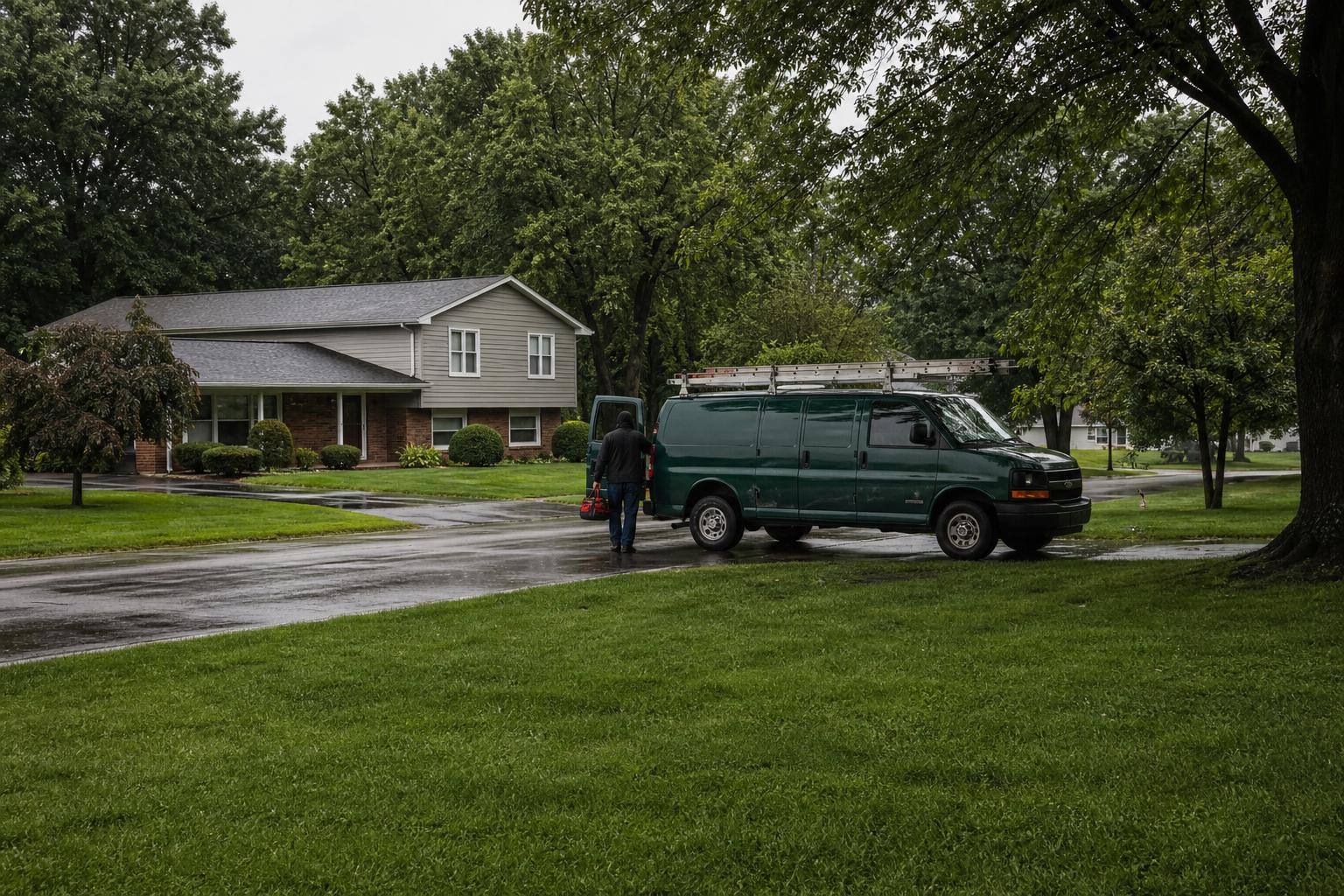
Smoke Detector Installation · Cleveland, TX
A new exurban home near Cleveland’s pine forests may need smoke detectors planned before walls close, while an older downtown house may need a careful replacement plan. One phone conversation sorts the scope.
A real person answers · No forms · No waiting on a quote email
Plan
For a Cleveland home, rental, shop, or new construction job, the right installation visit depends on the building layout, existing wiring, ceiling access, and detector locations.
Quote
The exact quote is given on the call, based on detector parts, materials, access, wiring, travel distance, and time on site.
Time
The visit time is set on the call around your household, tenants, crew, or construction schedule.
Homes around downtown Cleveland, the north side, and the expanding roads toward the pine forests each present different installation conditions. Older houses may need access through finished ceilings, while new construction near US 59 or FM 787 often allows detector placement before insulation and drywall close the work areas.
Services
Cleveland
Cleveland’s rapidly expanding exurban housing brings new construction layouts, attached garages, open living areas, and utility spaces that must be considered before detector locations are chosen. Older homes near downtown and established residential streets can have different wiring and ceiling access. Commercial buildings, rentals, and construction sites also need a scope matched to occupancy, floor plan, and the stage of the work.
Homes in downtown Cleveland and newer exurban subdivisions may need different detector locations, wiring access, and ceiling work based on construction.
Stores, offices, and service buildings along Cleveland’s US 59 corridor need the installation planned around occupied areas, equipment, and customer access.
New Cleveland homes near pine forests are easier to plan before drywall, insulation, and finished ceilings restrict wiring and detector access.
Local installation covers Cleveland properties in established neighborhoods, rural edges, and Liberty County settings where access and travel affect the work.
Cost
The exact quote is given on the call after the work is described. Cost depends on the property type, number and kind of detectors, parts and materials, wiring conditions, time on site, access, travel from Cleveland, and any after-hours work.
A Cleveland home, rental, shop, or construction site can require different detector placement, preparation, and working methods because floor plans and occupancy change the job.
The quote accounts for the detector type, mounting hardware, wiring materials, connectors, and other parts needed for the existing Cleveland property.
Long driveways, rural edges outside Cleveland, locked utility rooms, high ceilings, crawl spaces, and limited parking can add handling time and travel considerations.
Finished ceilings, active businesses, tenant schedules, storm-damaged areas, and after-hours access can change the time required to complete the installation.
Describe the building, existing detectors, ceiling access, and any known wiring concerns during the call. The scope and exact quote can then reflect the actual Cleveland property instead of leaving access or materials as surprises.
What goes in
Have the property address, building type, existing detector information, and any remodeling plans ready. A typical Cleveland load includes new construction materials, ladders, detectors, and wiring supplies.
Provide access to rooms, attic or crawl spaces, utility areas, and electrical panels where applicable. Cleveland homes with long drives or muddy clay and sandy soil need a workable path.
Keep rooms clear while the installation is completed and make the finished areas available for checking. A Cleveland rental or commercial site may also need tenants, staff, or a site supervisor present.
Not accepted. The service does not cover unrelated electrical repairs, concealed structural damage, blocked access, hazardous conditions, or disposal of unrelated household debris.
Projects
Cleveland homeowners can plan detector placement for older downtown houses, newer exurban homes, additions, garages, and sleeping areas.
Commercial properties along Cleveland’s business corridors need work planned around staff, customers, equipment, ceiling height, and occupied rooms.
Maintenance work in Cleveland rentals and established homes can address aging units, damaged mounts, nuisance alarms, and access to existing wiring.
Specialist installation suits unusual layouts, construction phases, difficult ceiling access, and Liberty County properties where standard placement needs closer review.
Explain the Cleveland property, building type, existing detectors, rooms involved, wiring concerns, and whether the work is new construction or replacement.
The scope is reviewed against access, detector locations, parts, materials, travel, occupancy, and any conditions that may affect the installation.
Set the visit around household access, tenants, commercial activity, construction stages, weather conditions, and the availability of the work areas.
Review the installed detectors, work areas, access panels, and any remaining questions after the installation is finished.
Weather
Cleveland’s humid heat can make attic and ceiling work uncomfortable, while tropical rainfall and heavy thunderstorms can limit exterior access and wet parking areas. Flooding and saturated clay or sandy soils may affect driveways, walkways, and access to detached structures, so the visit conditions are reviewed when scheduling.
Placement
The work may take place in bedrooms, hallways, garages, utility rooms, attics, crawl spaces, or areas beneath finished ceilings. Cleveland homes on slabs may have fewer underfloor routes, while older or rural properties can have tight crawl spaces, long driveways, locked rooms, or limited parking.
Permits
Smoke detector installation may need local review or an inspection when it is part of new construction, remodeling, or a broader electrical project. Requirements can depend on the property and scope. The call covers which local authority to ask, including the City of Cleveland or Liberty County when applicable, and who handles any required arrangements.
Some Liberty County subdivisions and Cleveland-area developments have HOA, covenant, or landlord rules about construction access, exterior equipment, scheduling, and tenant entry. Have those rules available so the scope can account for property restrictions before the visit.
Keep the rooms, ceilings, attic or crawl space entries, utility areas, and electrical access points clear. Provide parking for the work vehicle, secure pets and people away from ladders, and mention wet ground, flooding, or storm conditions that may limit access.
Service covers Cleveland’s downtown, north side, south side, established residential streets, and expanding exurban properties near US 59 and FM 787. Work can also be discussed for nearby Liberty County locations and surrounding rural edges, with distance and access reviewed on the call.
Not sure about your street? Ask on the call and we will tell you which office handles it.
Timing
Smoke detector installation in Cleveland often becomes part of spring construction, remodeling, rental turnover, and home maintenance planning. Summer heat and humidity can make attic work harder, while tropical rainfall and thunderstorms can restrict access to detached buildings or muddy driveways. Winter work is usually shaped more by indoor access and the condition of the property approach.
Expanding homes near Cleveland’s pine forests may reach the wiring and drywall stages during spring work. Confirm open ceilings, insulation status, utility access, and driveway conditions before setting the installation visit.
Humid heat, heavy thunderstorms, and tropical rainfall can affect attic access, exterior routes, and parking around Cleveland properties. Keep indoor work areas clear and mention flooding or saturated soil when scheduling.
Service area
Cleveland is part of our Liberty County coverage, and we also serve the neighboring communities below.
Why us
Cleveland is adding homes beyond its older core, especially toward pine forest and highway areas. That means a detector installation may be planned in open framing on one job and routed through finished ceilings on the next.
Antech Electrical Contractor · Cleveland
Humid heat, thunderstorms, tropical rainfall, flooding, and soft clay or sandy ground affect how crews reach detached buildings, attics, crawl spaces, and utility areas around Cleveland. The property approach belongs in the initial scope.
Click Here to Call (844) 442-2039FAQs
Still have a question about Cleveland? Call (844) 442-2039 and ask a real person.
The exact quote is given on the call after the property and work are described. Cost is shaped by the detector type, number of locations, parts and materials, wiring access, time on site, travel from Cleveland, and after-hours conditions. Describe the building and existing units before the quote is prepared.
The right visit depends on whether the property is a home, rental, commercial building, maintenance job, or active construction site. New Cleveland homes near pine forests may be planned before drywall, while older downtown properties may need careful access through finished areas.
The visit time is set on the call after the scope and property access are reviewed. Ask about your preferred timing, including same-day or next-day availability, and explain whether the building is occupied, under construction, or affected by storm conditions.
The work covers the agreed smoke detector installation at the described property, including the locations and access areas reviewed for the job. Cleveland customers should identify every floor, sleeping area, addition, garage, attic route, and existing detector before the scope is set.
It does not automatically cover unrelated electrical repairs, structural repairs, hazardous conditions, blocked access, or household debris removal. If a Cleveland property has damaged wiring, concealed damage, flooding, or a difficult crawl space, describe it during the call so the scope is accurate.
It may need local review or inspection when included with new construction, remodeling, or a broader electrical project. Requirements depend on the property and work scope. The call can cover whether to ask the City of Cleveland or Liberty County and who arranges any required step.
Someone responsible for the property should arrange access to the agreed work areas, unless another access plan is confirmed. Provide keys or entry instructions for rooms, utility areas, attic or crawl space openings, and electrical access, especially for Cleveland rentals and commercial buildings.
Have the Cleveland property address, building type, floors, sleeping areas, existing detector details, remodeling status, access restrictions, and preferred visit times ready. Photos or notes about exposed wiring, high ceilings, crawl spaces, and locked rooms can make the scope easier to review.
Heavy thunderstorms, tropical rainfall, flooding, and saturated clay or sandy soil can restrict access to detached structures and parking areas. Indoor work may still depend on safe entry, so mention wet ground, storm damage, attic heat, or an impassable driveway when setting the visit.
New exurban homes often need the installation coordinated with framing, insulation, drywall, open ceilings, garages, and the final floor plan. Homes spreading toward Cleveland’s pine forests may also have longer drives and fewer convenient access points, so construction stage and site approach should be described.
A real person answers · No forms · Every quote given on the phone