Residential smoke detector installation
Residential work covers Wayne houses, apartments, stair halls, bedrooms, and additions where ceiling height and concealed wiring affect the installation.
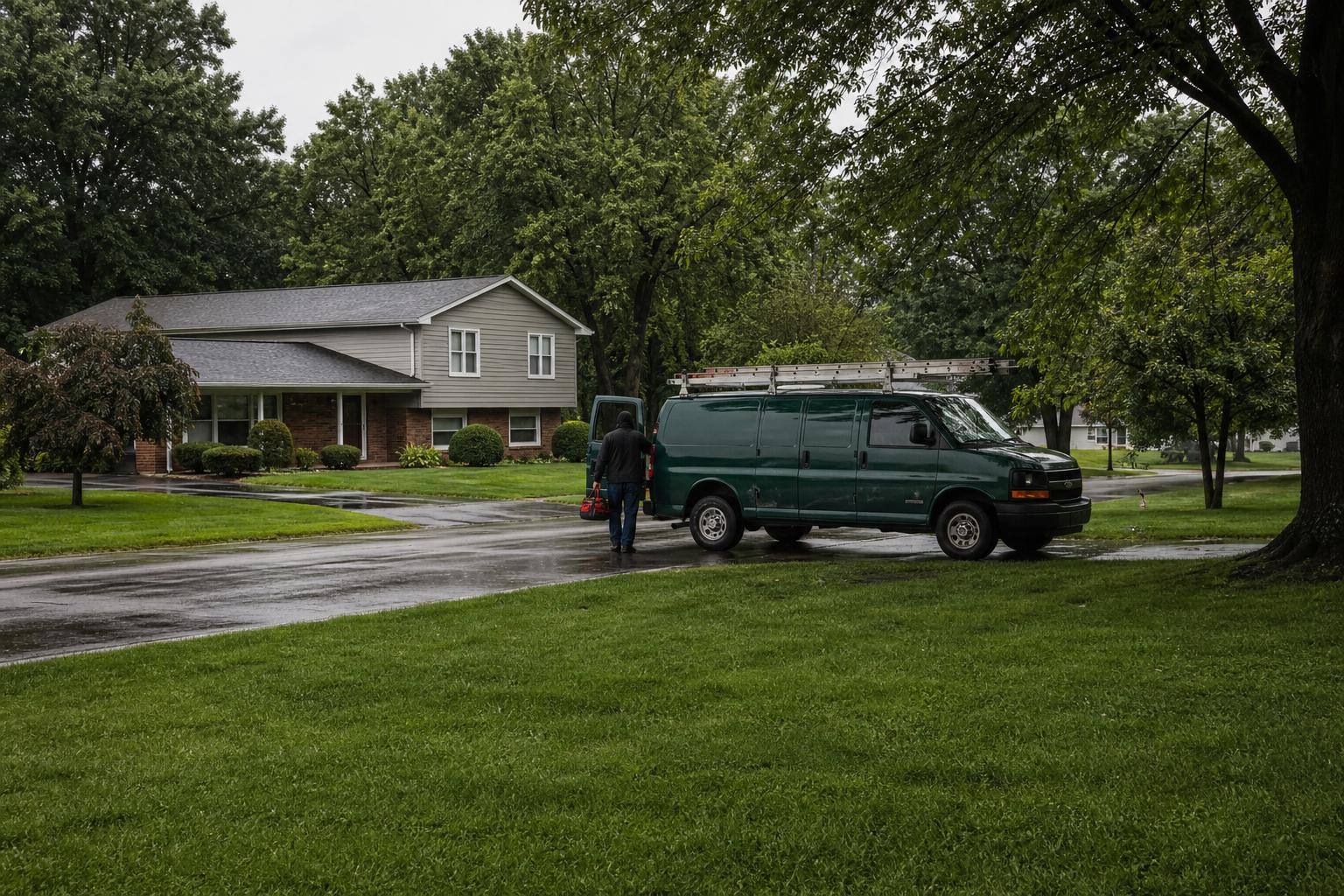
Smoke Detector Installation · Wayne, PA
A historic Main Line home near Wayne’s Lancaster Avenue corridor may need detectors fitted around tall stairwells, finished rooms, and mature landscaping. One call gets the installation sorted.
A real person answers · No forms · No waiting on a quote email
Plan
The right visit may be a residential installation for an older Wayne home, a commercial job, or maintenance work across several rooms, based on the property and detector locations.
Quote
The quote is given on the call, with cost changing by access, parts and materials, detector count, and time on site.
Time
The visit time is set on the call around household access, business operations, and any ladder work required.
Smoke detector installation in Wayne covers older Main Line houses near Waynewood, apartments around Lancaster Avenue, newer homes toward St. Davids, and commercial spaces near Eagle Village. Each setting changes access, ceiling height, wiring conditions, and how mature landscaping affects ladders and equipment placement.
Services
Wayne
Wayne’s historic Main Line homes can have high stair halls, additions, plaster ceilings, and concealed wiring that take more checking than a straightforward room installation. Apartments and commercial buildings around Lancaster Avenue bring different access rules. Mature trees, narrow drives, and rolling lots can affect ladder placement, while newer construction may call for a planned installation before finishes close up.
Residential work covers Wayne houses, apartments, stair halls, bedrooms, and additions where ceiling height and concealed wiring affect the installation.
Commercial installation serves offices and shops near Lancaster Avenue, with access coordinated around occupied rooms, corridors, and business operations.
Construction work in Wayne and St. Davids can be planned before ceilings close, helping the installation follow the building’s actual layout.
Local service covers Wayne properties from Waynewood to the Lancaster Avenue corridor, with access checked around mature landscaping and sloped lots.
Cost
The exact quote is given on the call after the property and work are discussed. Cost depends on the job type, detector locations, parts and materials, access from the Wayne property, distance, ladder work, and time on site.
A single home visit differs from a commercial or construction job. The number of areas, ceiling locations, existing equipment, and requested work all shape the scope.
Wayne’s rolling terrain, narrow drives, mature landscaping, and older Main Line layouts can change how equipment reaches the work area and how long setup takes.
Detector type, mounting materials, wiring needs, replacement components, and the condition of existing installation points affect the parts portion of the quote.
High stair halls, plaster ceilings, occupied commercial rooms, and restricted access can add time on site, especially where ladders need careful placement.
To avoid surprise charges, describe the property, detector locations, ceiling conditions, access limits, and any existing equipment when booking. The quote can then reflect the actual Wayne job rather than a generic assumption.
What goes in
Have the property address, detector locations, existing concerns, and preferred rooms ready. Wayne homes with additions, finished attics, or tall stair halls benefit from a clear room list.
Provide access to the work areas, electrical or utility spaces, and any attic or basement route involved. A typical Wayne load may include ladders and equipment for maturely landscaped lots.
Keep the work area open for checking installed detectors and surrounding surfaces. Confirm that household members, tenants, or staff know which rooms must remain accessible during completion.
Not accepted. The service does not cover unrelated electrical or building repairs, blocked work areas, hazardous conditions, or materials and equipment that are not part of the smoke detector installation scope.
Projects
Wayne residences near Waynewood and older Main Line streets may need careful placement around plaster ceilings, additions, bedrooms, and tall stair halls.
Commercial properties along Lancaster Avenue and near Eagle Village require planning around staff, customers, corridors, storage areas, and operating hours.
Maintenance work in Wayne and Delaware County can address aging detectors, changed room layouts, nuisance alarms, and access to previously installed equipment.
Specialist work suits unusual ceiling heights, construction conditions, concealed wiring questions, and difficult access on Wayne’s wooded rolling properties.
Explain the property type, rooms involved, existing detectors, ceiling conditions, and any access concern during the phone conversation.
The work scope is reviewed against the Wayne property, required equipment, access route, and any commercial or construction restrictions.
Set the visit time around household availability, tenant or business access, ladder placement, and the condition of the work areas.
After the installation work, the active areas are checked and the completed scope is confirmed with the responsible property contact.
Weather
Humid summers can make attic and upper-level work uncomfortable, while heavy rain and winter snow can affect exterior access, parking, and ladder movement. Wayne’s wooded rolling terrain may stay wet or slippery after storms, so seasonal ground conditions are considered when setting the visit.
Placement
Work may occur in bedrooms, halls, stairwells, finished rooms, basements, utility rooms, attics, or crawl spaces. Wayne’s older homes can limit access through narrow stairs or plastered ceilings, while mature landscaping and sloped yards affect ladders, parking, and equipment movement.
Permits
A smoke detector installation may involve local building or inspection questions when it is part of construction, a renovation, or a change to a commercial property. The relevant local government is the place to verify requirements. The call covers who needs to arrange any permit or inspection connected to the stated scope.
Some Delaware County communities, condominiums, and rental properties have rules about exterior equipment, access, scheduling, or alterations. Ask the HOA, property manager, or landlord before work if the Wayne property has those restrictions.
Clear a path to the rooms, attic, basement, crawl space, utility area, and any electrical access involved. Provide practical parking for the work vehicle, keep pets and people away from ladders, and account for snow, wet ground, leaves, or heavy rain around the property.
Service covers Wayne’s central streets, the Waynewood area, properties along the Lancaster Avenue corridor, wooded residential roads, and nearby St. Davids settings. Jobs can also be discussed for nearby Norristown, Malvern, Lansdowne, Gloucester City, and Warminster when the property location is provided.
Not sure about your street? Ask on the call and we will tell you which office handles it.
Timing
Smoke detector installation in Wayne often gets planned during home maintenance, renovation, move-in, and construction work. Humid summer conditions can make upper-level spaces harder to work in, while winter snow and heavy rain affect exterior routes, parking, and ladder setup. Older Main Line properties may need extra planning whenever landscaping or wet ground limits access.
Snow, ice, and wet ground can narrow parking and make sloped or wooded approaches difficult. Clear the route to the entry and work areas, and mention any seasonal access problem when setting the visit.
Humid summer weather can make attics and upper stair halls uncomfortable, especially in older Wayne homes. Renovation scheduling may also require coordination before ceilings, trim, or finished surfaces restrict detector access.
Service area
Wayne is part of our Delaware County coverage, and we also serve the neighboring communities below.
Why us
Wayne’s historic Main Line housing includes plaster ceilings, additions, high stair halls, and mature landscaping that can change detector access from one room to the next. The work needs to be scoped around the actual house, not just the number of detectors requested.
Antech Electrical Contractor · Wayne
Properties near Lancaster Avenue, Waynewood, and St. Davids range from occupied homes to offices and construction sites. Parking, tenant access, business hours, sloped ground, and wooded approaches all affect how the installation is set up.
Click Here to Call (844) 442-2039FAQs
Still have a question about Wayne? Call (844) 442-2039 and ask a real person.
The cost depends on the property type, detector locations, parts and materials, access, distance, ladder work, and time on site. A Wayne home with a tall stair hall or plaster ceilings may need different preparation from a straightforward room installation. The exact quote is given on the call.
A residential installation fits a house or apartment, while commercial, construction, maintenance, or specialist work fits different property conditions. Describe the rooms, existing equipment, and building stage so the appropriate Wayne job type can be discussed.
The visit time is set on the call after the property and access needs are reviewed. Mention any move-in date, renovation stage, business restriction, or preferred scheduling window, and ask about available options for the Wayne location.
The service covers the stated smoke detector installation work in the agreed rooms or areas, with access and existing conditions reviewed beforehand. It may involve bedrooms, halls, stairwells, utility spaces, attics, or other locations identified during the scope review.
It does not automatically cover unrelated electrical, structural, or building repairs, blocked access, hazardous conditions, or work outside the agreed installation scope. Tell the operator about damaged wiring, difficult ceilings, or other concerns at the Wayne property before the visit.
Permit or inspection requirements depend on the property, construction or renovation scope, and local government requirements. This can be reviewed on the call, including who arranges any required step for a Wayne home, commercial space, or construction project.
Clear paths to the requested rooms, stairs, attic, basement, crawl space, or utility area, and keep pets and people away from the work zone. Share the address, room list, existing detector concerns, ceiling conditions, and access restrictions when booking.
Limited access can often be reviewed, but narrow stairs, finished ceilings, crawl spaces, locked rooms, mature landscaping, and sloped yards may change the work setup. Explain the route from parking to each work area so the scope is realistic.
Weather can affect exterior routes, parking, ladders, and equipment movement. Humid summers, heavy rain, winter snow, and wet ground around Wayne’s wooded rolling properties should be mentioned when setting the visit, especially where upper-level or exterior access is involved.
Historic Wayne homes may need extra planning around plaster ceilings, high stair halls, additions, concealed wiring, narrow stairs, and mature landscaping. Provide the age or layout details you know, along with the rooms needing detectors, so access can be reviewed accurately.
A real person answers · No forms · Every quote given on the phone