Residential smoke detector installation
Homes around downtown Cleveland, rural White County, and mountain roads receive detector placement based on bedrooms, levels, ceiling access, and existing wiring.
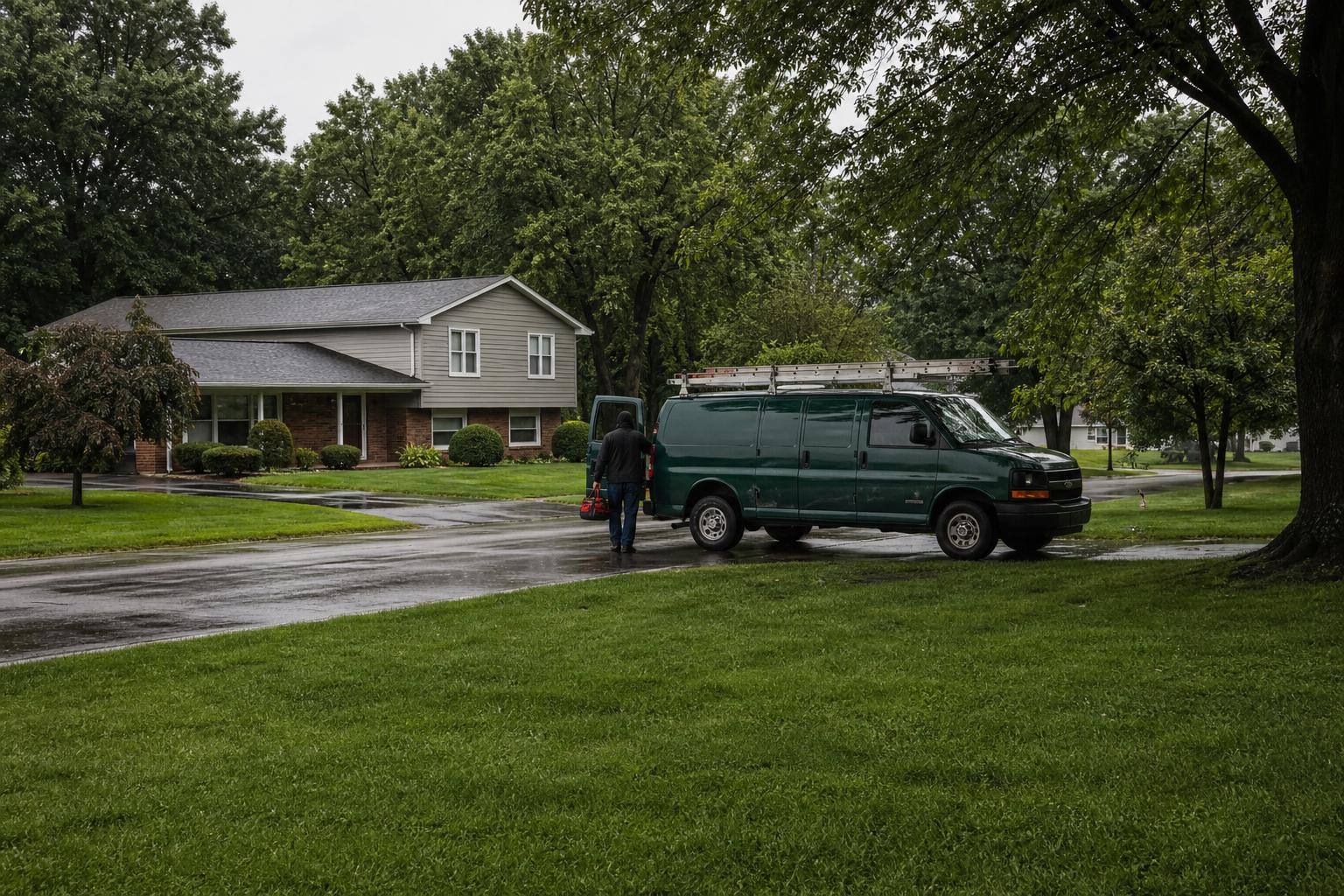
Smoke Detector Installation · Cleveland, GA
Around downtown Cleveland and the cabins beyond Helen Highway, scattered homes need smoke detector placement checked room by room. One phone booking gets the installation work sorted.
A real person answers · No forms · No waiting on a quote email
Plan
For a Cleveland cabin, farmhouse, or newer subdivision home, the right visit depends on floor layout, sleeping rooms, ceiling access, and whether existing detectors need replacement.
Quote
The quote is given on the call, based on detector type, quantity, wiring, access, parts, materials, and time on site.
Time
The visit time is set on the call around property access, occupants, weather, and the work area.
From downtown Cleveland and the homes near Highway 129 to wooded slopes toward Yonah Mountain, smoke detector work changes with the property. Cabins used by mountain visitors may need a careful room count, while rural White County houses can have crawl spaces, older wiring, or separated sleeping areas that affect installation.
Services
Cleveland
Cleveland properties range from town homes and older houses to vacation cabins, workshops, churches, and rural residences spread across wooded roads. Humidity, mountain rain, and occasional ice can make exterior access unpleasant, while sloped lots and limited driveways affect where equipment is carried. The installation starts with the building use, sleeping areas, ceiling height, existing wiring, and detector locations.
Homes around downtown Cleveland, rural White County, and mountain roads receive detector placement based on bedrooms, levels, ceiling access, and existing wiring.
Cleveland shops, offices, lodges, and visitor properties need detector work planned around occupancy, rooms, access routes, and the building's existing electrical setup.
New construction near Cleveland and the wooded slopes toward Yonah Mountain may require detector locations coordinated with unfinished ceilings, wiring, and changing room layouts.
Local Cleveland service covers town properties and scattered residences where road distance, steep drives, crawl spaces, and weather can change the work plan.
Cost
The quote is given on the call after the work is discussed. Smoke detector installation cost depends on the property type, number and type of detectors, wiring or replacement needs, ceiling and crawl-space access, distance from Cleveland, parts, materials, and time on site.
A compact Cleveland home differs from a spread-out cabin or White County farmhouse. Sleeping rooms, levels, ceiling height, and detector locations shape the work.
Distance along rural roads, steep drives, narrow parking areas, crawl spaces, and mountain access can affect travel planning and time on site.
Detector type, mounting hardware, wiring supplies, connectors, and replacement components depend on what is already installed and what the building requires.
Occupied rooms, furnished cabins, unfinished areas, weather exposure, and difficult ceiling access can add handling time compared with an open work area.
To avoid surprise charges, describe the building, existing detectors, access limits, and any known wiring concerns when booking. The exact quote is given on the call before the visit is set.
What goes in
Have the property address, building use, room count, existing detector details, and any known wiring concerns ready. A typical Cleveland cabin load may include multiple levels and separated sleeping areas.
Clear a path to bedrooms, hallways, utility rooms, attics, and crawl spaces where applicable. Rural Cleveland properties may need driveway instructions because wooded slopes can limit vehicle access.
Keep occupants and pets clear while each detector is installed and checked. The work area should remain reachable so final placement and operation can be reviewed.
Not accepted. The service does not cover unrelated electrical projects, structural repairs, concealed damage, blocked access, or materials and equipment outside the agreed smoke detector installation.
Projects
Cleveland houses, cabins, and rural White County residences receive detector placement based on sleeping rooms, floor levels, ceiling access, and existing wiring.
Lodges, shops, offices, and visitor properties around Cleveland need work coordinated with public areas, staff access, room use, and existing electrical systems.
Maintenance work in Cleveland homes and mountain rentals can address missing units, poor placement, nuisance alarms, damaged mounts, and access to high ceilings.
Specialist work suits unusual Cleveland properties, including older homes, steep-site cabins, additions, separated buildings, and installations affected by difficult wiring access.
Explain the Cleveland property, building use, detector concerns, levels, sleeping rooms, existing wiring, and any difficult access before the scope is reviewed.
The work is matched to the rooms, detector locations, replacement needs, materials, and site conditions described during the phone conversation.
Set the visit time around property access, occupants, pets, rural directions, weather, and any restrictions at the Cleveland location.
After installation, review detector locations and operation, then identify any separate work that falls outside the agreed installation.
Weather
Cleveland's humid summers can make attic and upper-level work uncomfortable, while frequent mountain rain affects muddy drives and exterior access. Occasional winter ice can restrict steep approaches and outdoor movement. Weather-sensitive access should be described during booking so the work area and visit timing can be planned realistically.
Placement
Installation may take place in bedrooms, hallways, stair areas, finished basements, utility rooms, crawl-space approaches, or other approved locations. Cleveland homes on wooded slopes may have narrow drives, uneven ground, low crawl spaces, or limited parking. Keep access clear and explain any locked rooms or detached buildings.
Permits
Smoke detector installation usually concerns the building rather than street placement, but permit or inspection requirements can vary with new construction, major electrical changes, or local project rules. The City of Cleveland or White County government can identify the applicable authority, and the booking discussion can cover who arranges any required approval.
Some Cleveland-area subdivisions, cabin communities, and White County rentals have covenants or landlord rules about access, wiring changes, work hours, or contractor entry. Confirm those requirements with the owner, landlord, or association before the visit is set.
Provide clear access to bedrooms, hallways, ceilings, utility rooms, crawl spaces, and electrical areas involved in the work. Leave parking for the work vehicle, secure pets and people away from ladders, and mention muddy slopes, rain, or ice that could affect the Cleveland property.
Service covers downtown Cleveland, surrounding residential streets, homes along Highway 129, wooded properties toward Yonah Mountain, and scattered White County residences. Nearby work may also be arranged in Dahlonega, Blue Ridge, Ball Ground, Ellijay, and Suwanee when the property details and access are reviewed by phone.
Not sure about your street? Ask on the call and we will tell you which office handles it.
Timing
Smoke detector installation demand in Cleveland often follows home purchases, cabin turnovers, remodeling, and preparation for busier mountain tourism periods. Spring rain can complicate rural access, summer humidity affects attic work, and winter ice can make steep drives and exterior approaches harder. The work area and property use determine scheduling.
Frequent rain around Cleveland can leave wooded drives and sloped yards muddy. Describe parking and walking conditions, especially for rural homes or cabins reached by narrow roads and uneven ground.
Occasional winter ice can limit access to mountain residences and detached buildings. Mention icy approaches, shaded driveways, and any alternate parking or entry route when arranging the visit.
Service area
Cleveland is part of our White County coverage, and we also serve the neighboring communities below.
Why us
Cleveland's mountain tourism brings cabins, lodges, and short-term visitor properties with changing room use and turnover needs. Detector placement must account for lofts, stairways, separated sleeping areas, and high ceilings rather than treating every building like a standard town house.
Antech Electrical Contractor · Cleveland
Rural White County homes can sit beyond steep, wooded drives where rain, humidity, and winter ice affect access. An operator needs the road approach, parking situation, crawl-space conditions, and existing detector setup before choosing the right installation visit.
Click Here to Call (844) 442-2039FAQs
Still have a question about Cleveland? Call (844) 442-2039 and ask a real person.
The exact quote is given on the call and depends on detector type and quantity, wiring or replacement work, parts and materials, ceiling or crawl-space access, distance from Cleveland, and time on site. Describe the property and existing units so the scope can be evaluated before scheduling.
The right visit depends on the building layout, sleeping rooms, levels, existing detectors, wiring, and access. A downtown Cleveland house may need a different plan from a mountain cabin or rural farmhouse, especially when lofts, additions, or separated sleeping areas are involved.
The visit time is set on the call after the property and work area are discussed. Mention whether the home is occupied, whether the property is a visitor cabin, and whether rural roads, rain, or ice affect access.
The work covers the agreed installation of smoke detectors at suitable locations, including the access and existing conditions discussed during booking. Room use, ceiling access, wiring, mounting surfaces, and final operation review should be described for the Cleveland property.
It does not automatically cover unrelated electrical work, structural repairs, concealed damage, blocked access, or work outside the agreed installation. Cleveland customers should mention alarms, wiring concerns, unfinished spaces, and detached buildings so separate needs are identified.
Permit or inspection requirements depend on the project, especially new construction or major electrical changes. The City of Cleveland or White County government can identify the applicable authority, and the phone discussion can cover who handles any required approval.
Access is needed to each room and area included in the installation, such as bedrooms, hallways, stair areas, utility rooms, or crawl-space approaches. Unlock rooms, clear furnishings below work areas, and provide directions for detached or difficult-to-reach spaces.
Have the property address, building type, room and level count, existing detector locations, wiring concerns, access instructions, and preferred visit conditions ready. For rural Cleveland properties, include driveway, gate, parking, and weather-related access details.
Rain and ice can affect exterior approaches, steep drives, parking, and movement around wooded properties, even when the detector work is indoors. Describe muddy slopes, shaded ice, alternate entrances, and safe parking so the visit can be planned around actual conditions.
Yes, cabin and mountain rental properties can be assessed for detector installation based on sleeping areas, lofts, stairways, ceiling height, existing wiring, and guest access. Provide the occupancy pattern, lock or entry instructions, and any rules set by the owner or property manager.
A real person answers · No forms · Every quote given on the phone